

by NOVA

Aug 10, 2026
The phrase power inverter dc 12v to ac 220v describes a buyer’s starting question, not a verified product configuration. Before a B2B team asks for a quote, it should capture the source wording, load context, output wording, operating environment, evidence request, and the person responsible for final review.

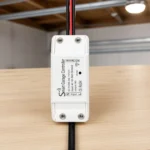
First-party MOES media used to illustrate an early system-documentation discussion. It does not represent a specified inverter configuration or a project result.
Important: DC and AC phrases do not establish an offered model, voltage availability, power, output, wiring, certification, or installation fit. Confirm current information for the exact offered model and project. IEA PVPS
An inquiry can include several voltage terms while leaving out the facts that make a request reviewable. The source arrangement, expected load behavior, operating context, and evidence requirements may all still be unknown.
Keep the original buyer wording in the request, then list the missing points beside it. That makes assumptions visible before they move into a quotation.
Organize the first discussion around input groups, not around a guessed model.
| Input group | Buyer should document | Do not assume |
|---|---|---|
| Source wording | The available source information and unanswered source questions | A battery arrangement or operating range |
| Load context | Equipment to be considered, behavior, and known priorities | A power level or runtime |
| Output wording | The buyer’s stated output question and the market context | A conversion result or a listed model |
| Operating context | Site description, environment questions, and open use conditions | Vehicle, backup, grid, or off-grid fit |
| Evidence owner | Documents requested and the person who confirms them | Supplier approval of the project |

First-party MOES media for a documentation-review context. It is not evidence of a particular output or system performance.
Treat the DC and AC terms as request language. Next to them, record the current documentation that must be reviewed for the exact offered model. This preserves the buyer’s question without creating a claim that the question has already been answered.
For a broader vocabulary discussion, see the solar power inverter terminology guide. For an RFQ workflow focused on a voltage phrase, see the 12-volt solar inverter RFQ inputs guide.
Send one controlled record with the RFQ. It should document known inputs and clearly mark everything that remains to be confirmed.
| RFQ input | Buyer should provide | Send with quote |
|---|---|---|
| Original wording | The complete DC-to-AC request and desired discussion outcome | Yes |
| Source and load notes | Known source information, load list, and open questions | Yes |
| Operating context | Site or application description and unresolved conditions | Yes |
| Evidence request | Current datasheet, manual, labels, approvals, or market-information questions | Yes |
| Review ownership | Person responsible for technical and commercial confirmation | Yes |
General standards vocabulary can frame document requests, but it cannot approve a model or project. International Electrotechnical Commission
After the record is complete, the MOES modified sine wave inverter category is a category-level reference for the conversation. It is the product recommendation in this guide because it provides a relevant navigation path without claiming that the buyer’s stated input and output terms match a listed model.
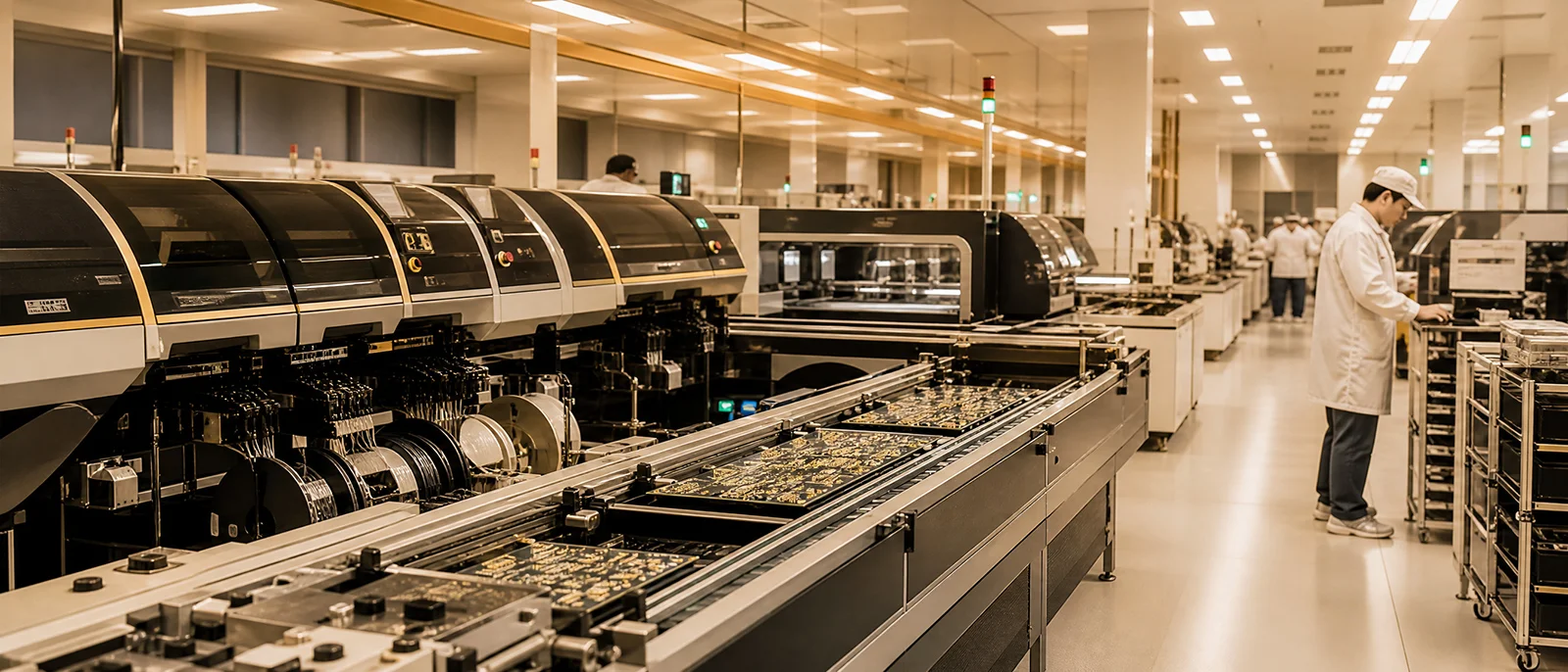
First-party MOES media used for a manufacturing-documentation context. Confirm the exact offered model and project requirements before selection.
Pause before quoting when source notes, load context, operating conditions, requested documents, or the review owner are missing. The objective is a clearer inquiry, not a delay for its own sake.
After the input record has an assigned owner, provide the following through MOES Contact Us or its OEM/ODM inquiry page:
This approach supports a comparable request without making an unsupported conversion or system claim.
It should establish the buyer’s wording, known source and load context, operating questions, requested evidence, and the person responsible for confirmation. It does not establish a product configuration.
Document source wording, load context, output wording, operating context, requested documents, unresolved items, and review ownership.
No. The terms describe a request. The exact offered model and project conditions need current evidence before any technical conclusion is made.
Send the original request wording, source and load notes, operating context, document requests, commercial context, and the person responsible for final review.
The guide references the MOES modified sine wave inverter category as a navigation path. It does not confirm a model, voltage, output, or application fit.
Pause when a key input or review owner is missing. Request clarification before an unknown condition becomes a quote assumption.


OTHER SMART DEVICES
Jun 13,2026
OTHER SMART DEVICES
Jun 12,2026
TUYA SMART HOME PRODUCTS
Jun 12,2026
 +86 137 3639 3028