

by NOVA

Aug 17, 2026
The phrase solar inverter from 12 volt dc to 220 volt ac should be treated as a procurement question, not a confirmed model description. Buyers should define the DC source, AC output, load duty, market context, protection boundary, and evidence request before comparing quotations.
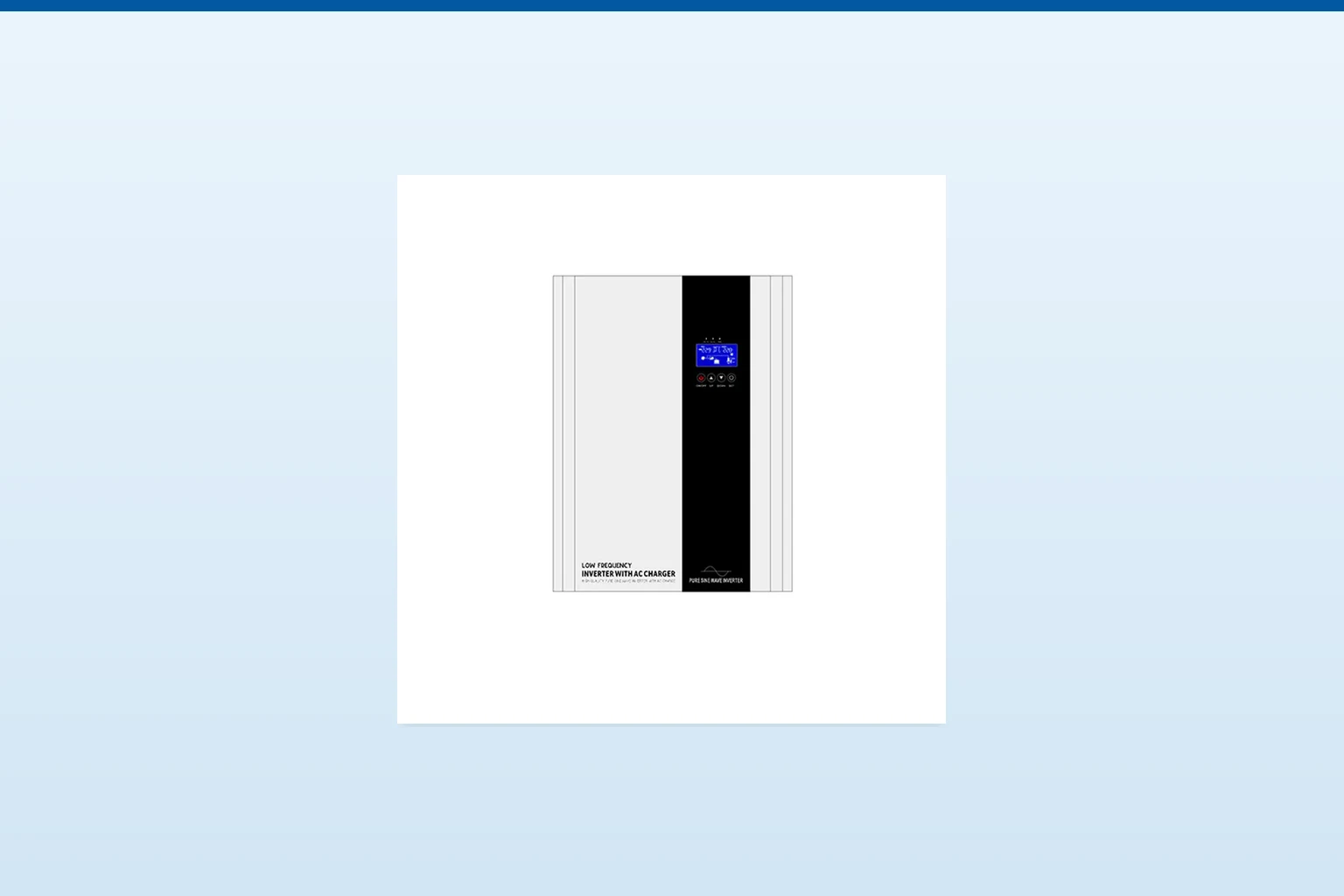
This first-party MOES image illustrates inverter inquiry context. It does not prove a 12VDC input, 220VAC output, rating, waveform, certification, or regional fit.
Use the MOES Solar Inverter category as navigation only.
Important: A conversion phrase does not confirm a product, load capability, or market approval. Source note: general RFQ evidence guidance; no model claim.
Clarify whether 12VDC is a nominal source, an allowable range, a battery configuration, or a replacement constraint. Clarify whether 220VAC is the required nominal output, a market convention, or a project document field. Keep required, preferred, observed, and unknown values separate.
Record source voltage and range, battery or supply limits, continuous load, surge demand, load type, startup behavior, output frequency requirement, runtime, quantity, and decision owner.
| RFQ field | What to record | Owner |
|---|---|---|
| DC source | Nominal voltage, permitted range, source limits | Buyer |
| Load | Continuous, surge, motor, inductive, or unknown | Technical reviewer |
| AC output | Nominal output, frequency, connectors, and load boundary | Project lead |
| Quantity | Sample, replacement, or project volume | Commercial owner |
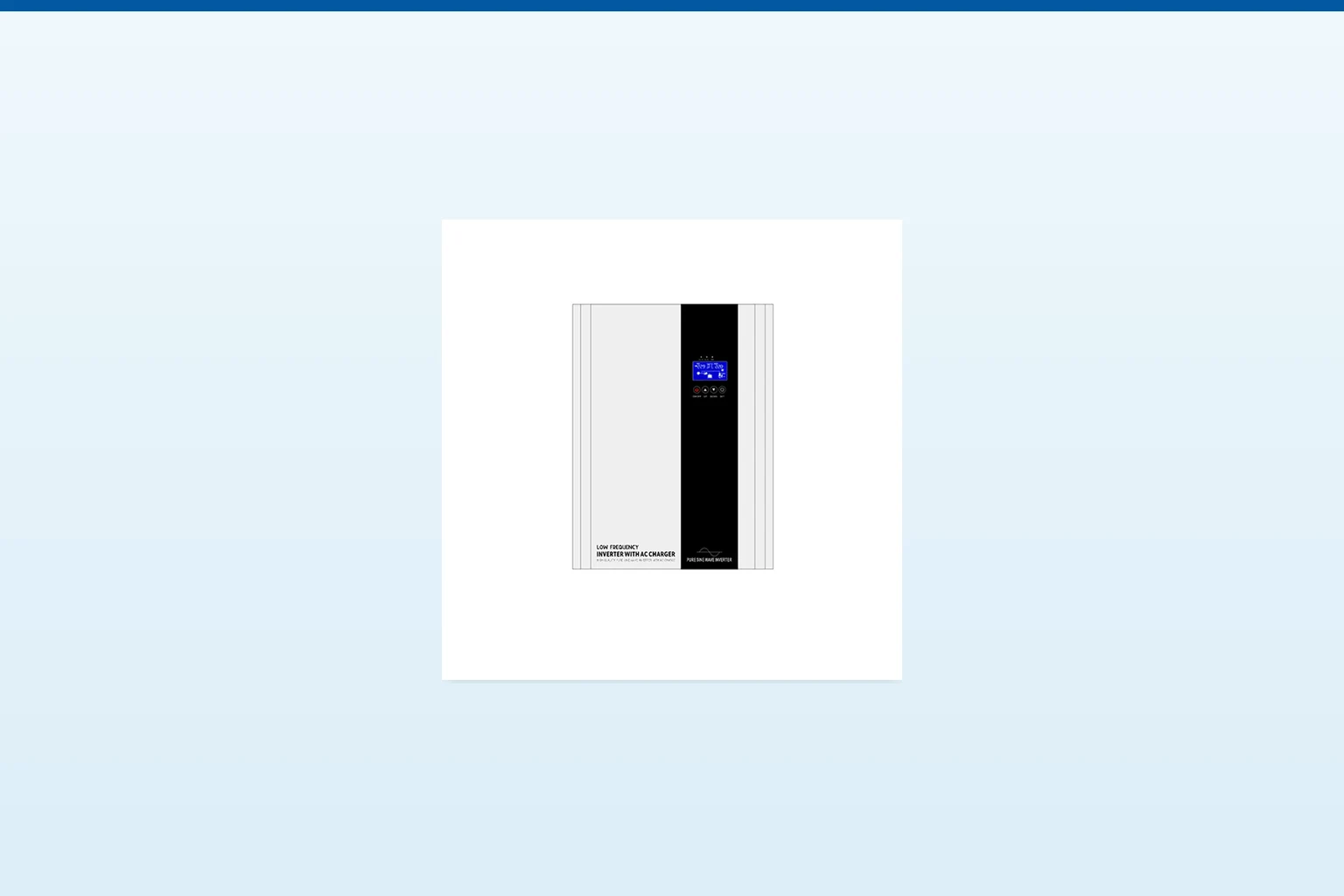
The image supports source/load documentation only; it does not establish a conversion rating or load capability.
Ask which output convention, frequency, plug or terminal arrangement, labeling, and local documentation apply to the destination market. Do not assume that “220VAC” alone resolves frequency, tolerance, waveform, installation, or acceptance requirements.
Keep the market context explicit without turning it into a regional availability claim. Request the current datasheet, manual, label record, and written clarification for the proposed model.
List DC cabling, fusing, external protection, grounding, AC output, transfer or bypass equipment, connectors, enclosure, ventilation, communications, and service access. State which items are inside the product and which remain external or unconfirmed.
| RFQ input | Send with quote | Owner |
|---|---|---|
| Source/load and output record | Yes | Buyer |
| Protection and interface questions | Yes | Technical reviewer |
| Market, quantity, and document requests | Yes | Project lead |
Use one evidence table: confirmed, document pending, buyer requirement, unknown, and supplier clarification. Keep the model identity, document revision, test condition, output convention, quantity, and open commercial questions together.
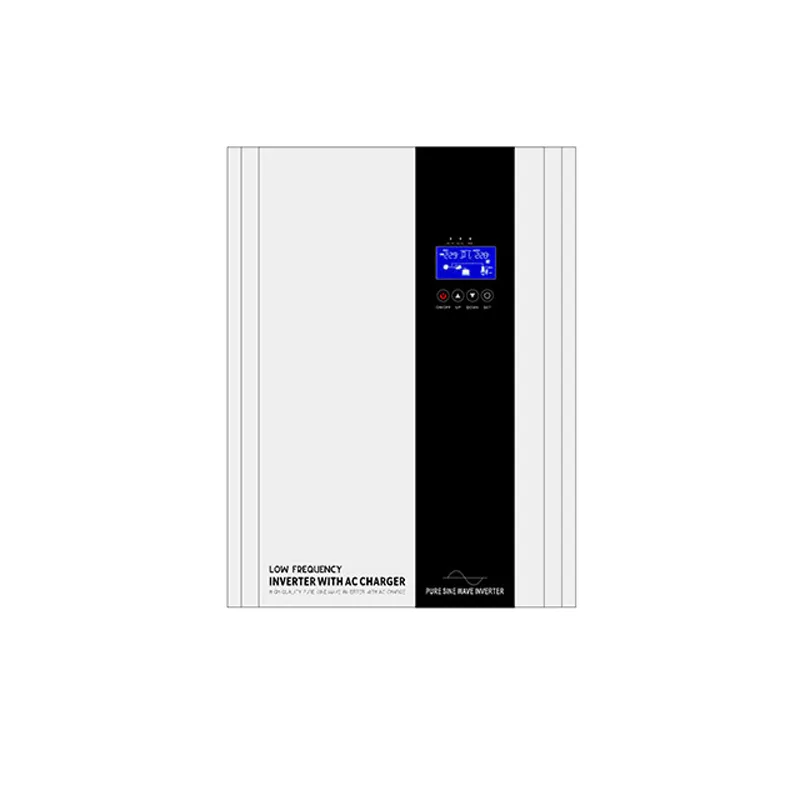
This first-party image supports a bounded product conversation only; it does not prove 12VDC-to-220VAC capability, certification, or availability.
For lateral context, compare the power inverter use-case discovery guide and solar inverter application RFQ guide.
Product recommendation: use the MOES Solar Inverter category only as a navigation starting point; no named model, conversion rating, waveform, or regional output is recommended until the enquiry evidence is closed. Send model-specific questions through Contact Us.
No. It is a buyer-side requirement that needs current model-specific confirmation.
Record source range, battery or supply limits, continuous and surge load, load type, startup behavior, output requirements, runtime, and quantity.
No. Confirm frequency, tolerance, connectors, labeling, documentation, and the destination-market requirements.
Ask about DC cabling, fusing, external protection, grounding, output, transfer or bypass equipment, enclosure, ventilation, and service boundaries.
No. Request current model documents and qualified technical review.
Keep it open when source range, load duty, output, market context, interfaces, model identity, or approval ownership is unconfirmed.


OTHER SMART DEVICES
Jun 13,2026
OTHER SMART DEVICES
Jun 12,2026
TUYA SMART HOME PRODUCTS
Jun 12,2026
 +86 137 3639 3028