

by NOVA

Aug 14, 2026
The phrase 24VDC low-frequency toroid power inverter should be treated as an RFQ starting point, not a confirmed product description. Buyers should define the requested function and gather evidence before comparing quotations.
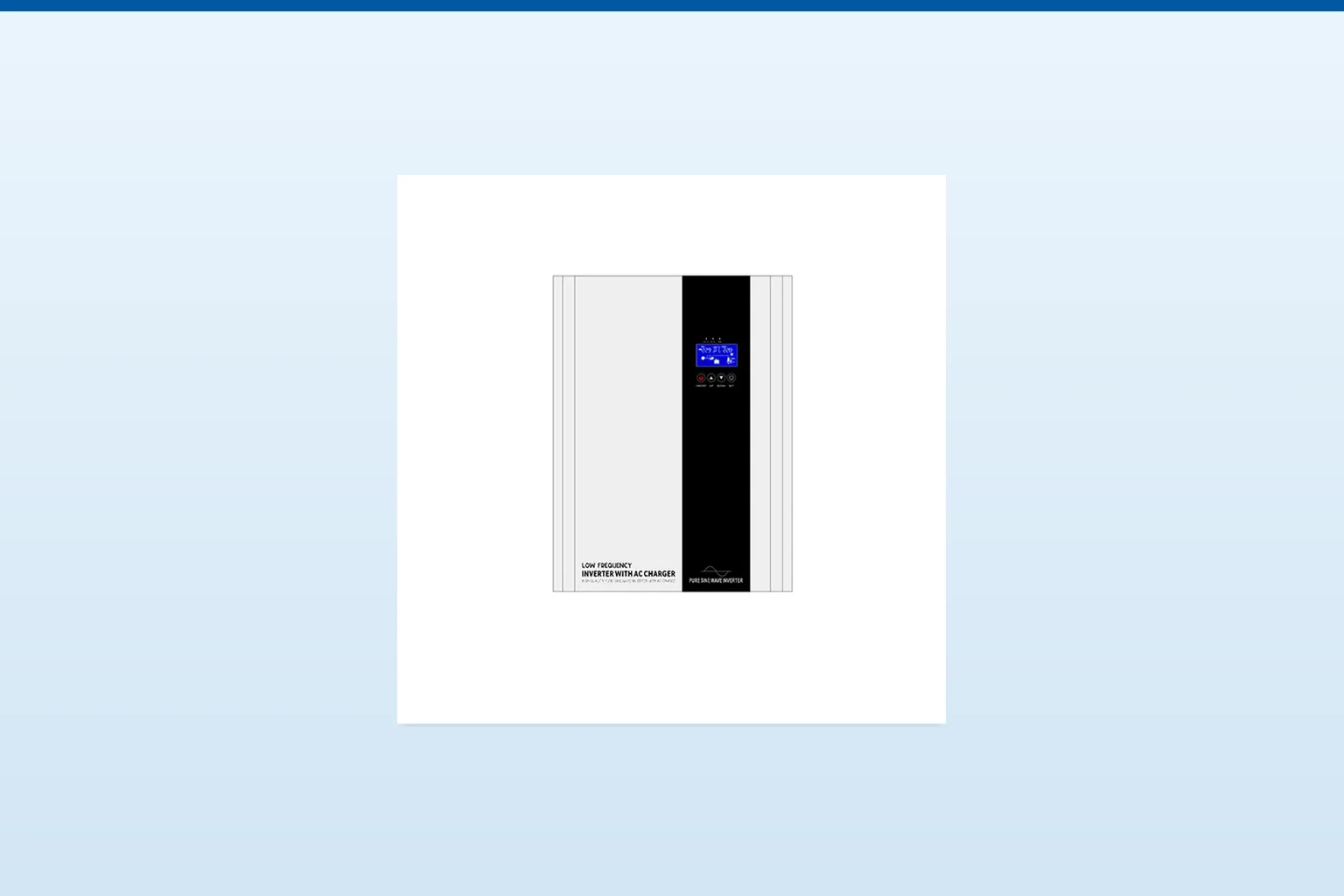
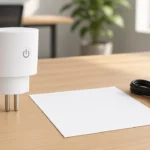
This first-party MOES image illustrates an inverter inquiry context. It does not prove a toroidal transformer, low-frequency topology, 24VDC input, rating, or project fit.
Use the MOES solar inverter and off-grid inverter routes only as category navigation.
Important: A technical keyword does not establish an offered SKU. Confirm the current model documents, electrical basis, interfaces, applicable requirements, and qualified project review before making a purchasing decision. Source note: general RFQ evidence guidance; no MOES topology claim.
Write down what the buyer means by 24VDC, low frequency, and toroid. The terms may refer to input voltage, operating preference, a desired transformer form, a replacement constraint, or a document requirement. They do not identify a verified configuration on their own.
Record the application, source, load, operating mode, expected duty, environment, quantity, target market, and decision owner. Keep “required,” “preferred,” and “unknown” as separate fields.
Capture nominal and permitted DC input, battery or source behavior, continuous and surge load, load type, start-up demand, runtime, output requirements, protection questions, and operating temperature. If a value is unknown, mark it for clarification instead of selecting a number from a category page.
| RFQ field | Buyer record | Why it matters |
|---|---|---|
| DC source | Nominal voltage, range, source limits | Defines the input question |
| Load profile | Continuous, surge, motor, inductive, or unknown | Shapes the duty discussion |
| Operating mode | Standalone, backup, solar-assisted, or unknown | Sets system context |
| Environment | Temperature, enclosure, installation conditions | Exposes application boundaries |
| Open decision | Missing evidence and owner | Keeps the RFQ actionable |
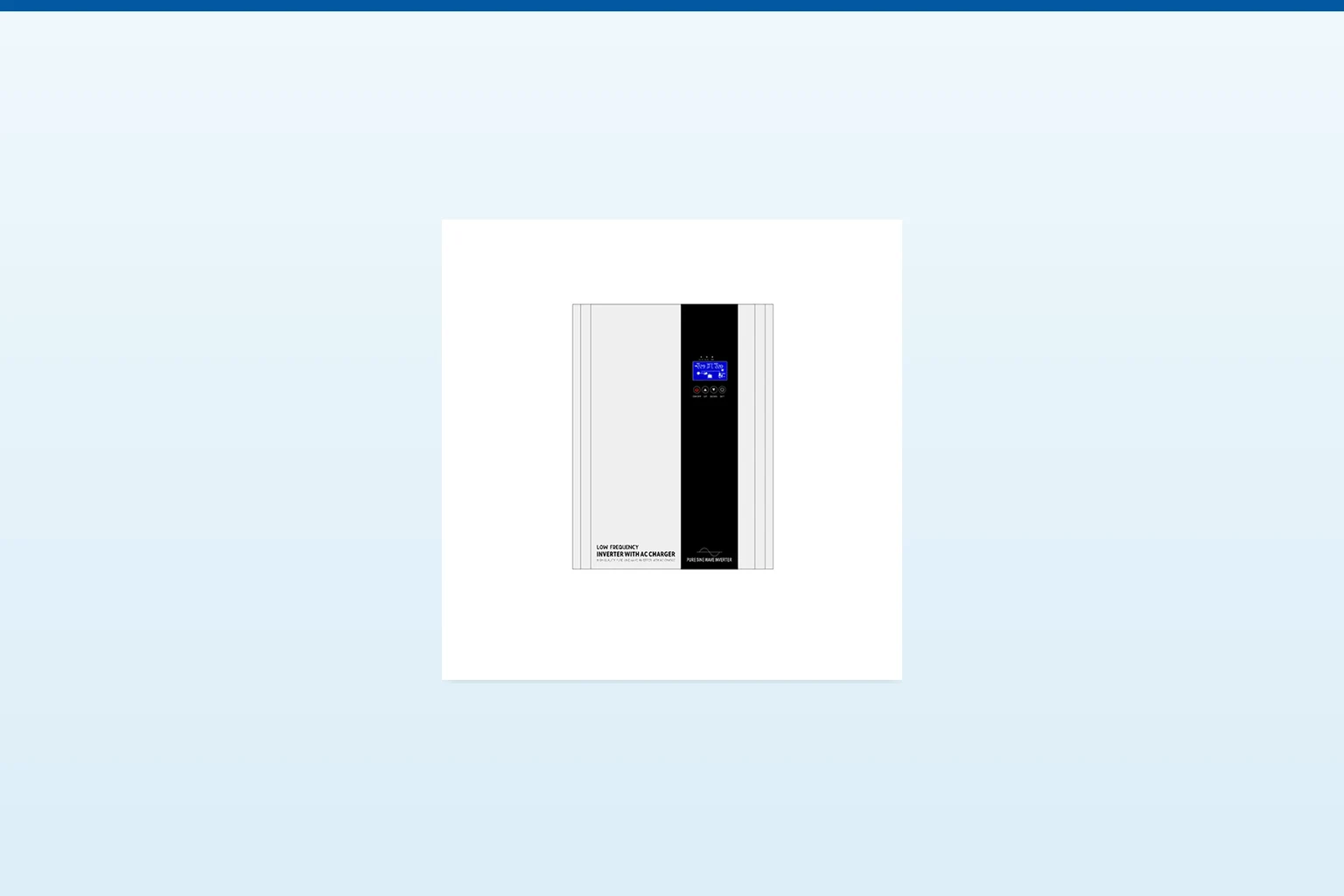
The image is a documentation-context illustration; it does not establish internal topology or a low-frequency design.
If the buyer prefers a toroidal transformer or low-frequency design, state it as a requested architecture to verify. Ask for the current datasheet, block diagram, manual, label information, and written confirmation of what is actually offered.
Do not infer transformer construction, switching frequency, waveform, efficiency, surge behavior, or thermal performance from a product family name, photograph, or search phrase. Preserve the difference between a buyer requirement and a supplier-confirmed fact.
Include DC cabling, fusing and external protection questions, battery or source interface, AC output, transfer or bypass equipment, grounding, communications, enclosure, installation limits, and service access. List the documents requested for each field.
The request should also state quantity, destination market, schedule, required tests, packaging or labeling needs, and the person who will approve technical deviations. A category route can start a conversation; it cannot replace a model file.
| RFQ input | Send with quote | Owner |
|---|---|---|
| DC source and load profile | Yes | Buyer |
| Architecture and interface evidence | Yes | Technical reviewer |
| Document revision, quantity, and open questions | Yes | Buyer and supplier |
Compare each response against the same controlled table: confirmed, supplier-stated but document pending, buyer requirement, not offered or unknown, and open clarification. Keep the exact model and document revision beside every answer.
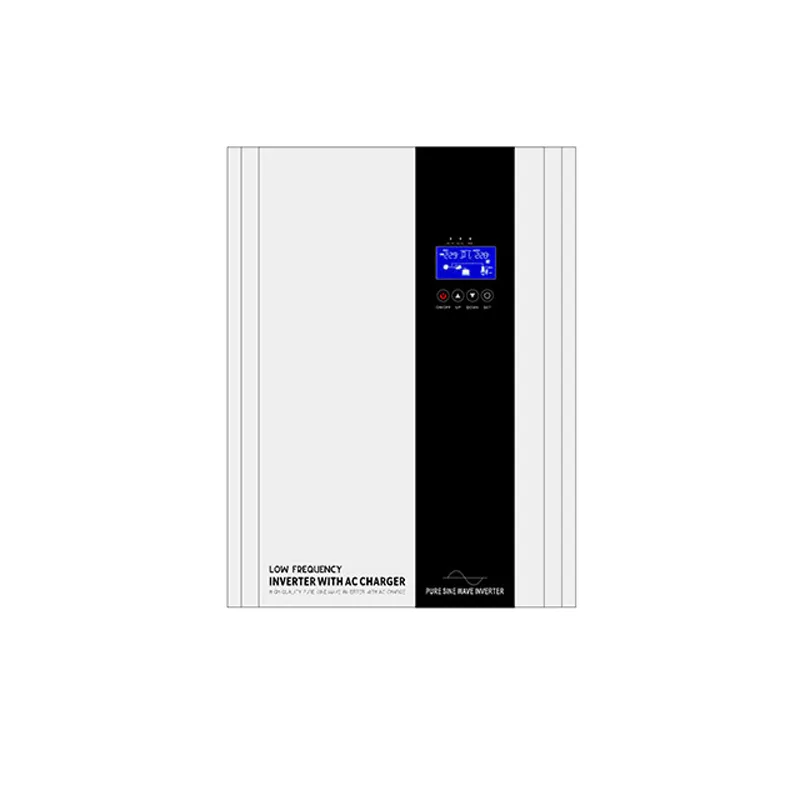
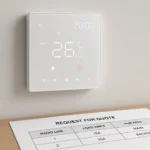
This catalog image supports a bounded product conversation only. It does not prove 24VDC input, toroidal construction, low-frequency operation, certification, MOQ, or lead time.
Escalate when the requested input range conflicts with the proposed model, the load duty is incomplete, the architecture requirement is not documented, the interface boundary is unclear, or supplier responses cannot be checked against the buyer’s approved basis. Route the evidence-first enquiry through MOES Contact Us with the exact open questions.
The solar inverter category is a navigation point. Close the RFQ only after the model, documents, interfaces, commercial scope, and project owner are all recorded.
Product recommendation: use the MOES off-grid inverter category only as a navigation starting point; no toroidal or 24VDC SKU is recommended without current model evidence. For lateral context, compare the solar power inverter terminology guide and solar inverter application RFQ guide.
No. It is a buyer-side technical phrase that requires current model-specific confirmation.
Provide continuous and surge demand, load type, start-up behavior, runtime, output requirements, and any known protection questions.
No. An image is context, not evidence of internal architecture or performance.
Request the current datasheet, manual, labels, block or wiring diagrams, applicable test information, and written answers to open configuration questions.
DC source, cabling, external protection, battery behavior, AC output, transfer or bypass equipment, grounding, communications, enclosure, and service access can all change the enquiry.
Keep it open when the input range, duty, architecture, interfaces, documents, model identity, or approval owner is unconfirmed.


OTHER SMART DEVICES
Jun 13,2026
OTHER SMART DEVICES
Jun 12,2026
TUYA SMART HOME PRODUCTS
Jun 12,2026
 +86 137 3639 3028