

by NOVA

Aug 11, 2026
A smart switch module and a wall-switch path should be compared through the buyer’s project questions, not by assuming that either format fits the existing condition. A useful retrofit brief records the current situation, intended control role, evidence needed, open items, and the person who confirms the final path.

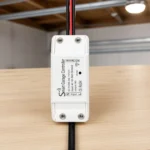
First-party MOES media used to illustrate a project-review conversation. It does not show or approve a retrofit configuration.
Important: A form-factor preference cannot confirm wiring, ratings, installation, certification, or system compatibility. Review the current offered-model information and project conditions before a decision. IEC terminology resource
The question is not whether one format is universally better. A B2B team needs to know what is already in place, what the buyer wants to control, and which points are still unknown.
Writing those inputs down before a request gives the installer, distributor, and supplier a shared basis for the next conversation.
Use a short decision record that distinguishes known facts from questions awaiting review.
| Decision field | Buyer should record | Review owner |
|---|---|---|
| Existing condition | Drawing references, available information, and open site questions | Project lead |
| Control role | What the buyer wants to control and who uses it | Buyer and installer |
| Device-path question | Whether the discussion starts with a module or wall-switch form factor | Category reviewer |
| Evidence request | Current model documents, labels, or market-information questions | Buyer and supplier |
| Unresolved point | Missing data and the person who will close it | Named owner |

First-party MOES media used as a review-context illustration. It does not show an offered module or define product specifications.
A module-led discussion begins with the available condition and the control question behind it. A wall-switch-led discussion begins with the buyer’s desired wall-device role and the evidence needed to review it. Neither description replaces a technical assessment.
Keep these questions separate in the brief. That prevents an early preference from becoming an unsupported statement about installation or compatibility.
For model-specific inquiry preparation, see the mini smart switch module guide. For an OEM integration discussion, see the smart switch module panel-builder guide.
The first RFQ should attach the decision record to the buyer’s document requests. It should state which path is being explored and which evidence is still required.
| RFQ input | Buyer should provide or request | Send with quote |
|---|---|---|
| Existing-condition record | Available drawings, site notes, and unknowns | Yes |
| Control intent | The stated role and unresolved user or project questions | Yes |
| Path under review | Module-led or wall-switch-led discussion, without claiming fit | Yes |
| Model evidence | Current datasheet, manual, labels, or market information | Yes |
| Confirmation owner | Person responsible for the final technical and commercial review | Yes |
Platform terms may be included as buyer wording, but they need exact offered-model evidence before they become a compatibility conclusion. Tuya Developer Platform
With the input record complete, the MOES smart modules category provides a category-level starting point. It is the product recommendation in this guide because it keeps the conversation at the appropriate navigation level while the project questions are being resolved.

First-party MOES media for a controlled inquiry context. Confirm the exact offered model and project requirements separately.
Close the comparison only after a named owner has addressed the open items. Submit the record through MOES Contact Us or the OEM/ODM inquiry page with:
This process supports a focused B2B comparison without turning an early preference into an installation conclusion.
It should contain existing-condition notes, the desired control role, the path under review, evidence requests, open items, and the person responsible for confirmation.
No. The path depends on current project information and offered-model evidence. A buyer should document the questions before reaching a decision.
It should clarify the desired wall-device role, available project information, document requirements, open questions, and the reviewer who confirms the path.
Include available drawings or notes, the control intent, the path under review, current model-document requests, market-information questions, and review ownership.
No. A category page is a navigation reference. Installation and fit require exact model information and project-specific review.
The buyer’s team should name the technical and commercial owner who can close unresolved items after reviewing current evidence.


OTHER SMART DEVICES
Jun 13,2026
OTHER SMART DEVICES
Jun 12,2026
TUYA SMART HOME PRODUCTS
Jun 12,2026
 +86 137 3639 3028