

by NOVA

Aug 11, 2026
A solar inverter charger phrase can describe what a buyer wants to discuss, but it does not explain the architecture behind the request. Before quotes are compared, the buyer should record the requested functions, source and load context, storage questions, operating conditions, evidence requests, and the person who confirms the final decision.

First-party MOES media used to illustrate a documentation workflow. It does not establish an inverter-charger product, system architecture, or project result.
Important: A compound product phrase cannot confirm a combined function, battery fit, power, wiring, certification, or project performance. Check the exact offered-model documents and project conditions before a decision. IEA PVPS resources
One phrase can combine several buyer expectations while leaving the actual system roles unspecified. The request may not yet show which function is being asked about, what source and load context exists, or what documents the buyer needs.
Start by preserving the buyer’s exact wording. Then make each unknown visible rather than allowing it to become a product assumption.
The first record should organize questions around project roles and missing evidence.
| Question group | Buyer should document | Do not assume |
|---|---|---|
| Requested functions | What the buyer wants clarified in the compound term | A combined SKU or system role |
| Source context | Available source information and open source questions | A source arrangement or operating range |
| Load and storage questions | Known load behavior and storage-related questions | Capacity, battery fit, or runtime |
| Operating context | Site description, environment questions, and open conditions | Backup, grid, or off-grid suitability |
| Evidence ownership | Document requests and the person who validates them | Supplier approval of the project |

First-party MOES media for an inquiry-process context. It does not demonstrate a product architecture or technical performance.
The requested functions belong in the buyer’s inquiry. Next to each one, list the exact evidence that needs review for the offered model. This separates a useful question from an unsupported conclusion.
The same approach applies to source, storage, output, and protection language. A buyer can ask for clarification without stating that a product contains a given function or fits a system.
For early inquiry inputs, see what buyers should confirm before a solar inverter RFQ. For evidence-first language around a related inverter term, see the low-frequency inverter evidence guide.
Send a controlled record that marks both known information and unanswered questions.
| RFQ input | Buyer should provide | Send with quote |
|---|---|---|
| Compound-term wording | The buyer’s original phrase and desired clarification outcome | Yes |
| Function questions | Roles to be discussed, with unknowns marked | Yes |
| Source, load, and storage notes | Known context and the details still to be confirmed | Yes |
| Evidence request | Current datasheet, manual, labels, approvals, or market-information questions | Yes |
| Confirmation owner | Person responsible for technical and commercial decisions | Yes |
General standards vocabulary can frame a document request, but it cannot approve an offered model or architecture. IEC terminology resource
After the clarification record is complete, the MOES solar inverter category can guide the category-level conversation. It is the product recommendation in this article because it points to the relevant area without claiming that the compound phrase maps to a specific product.
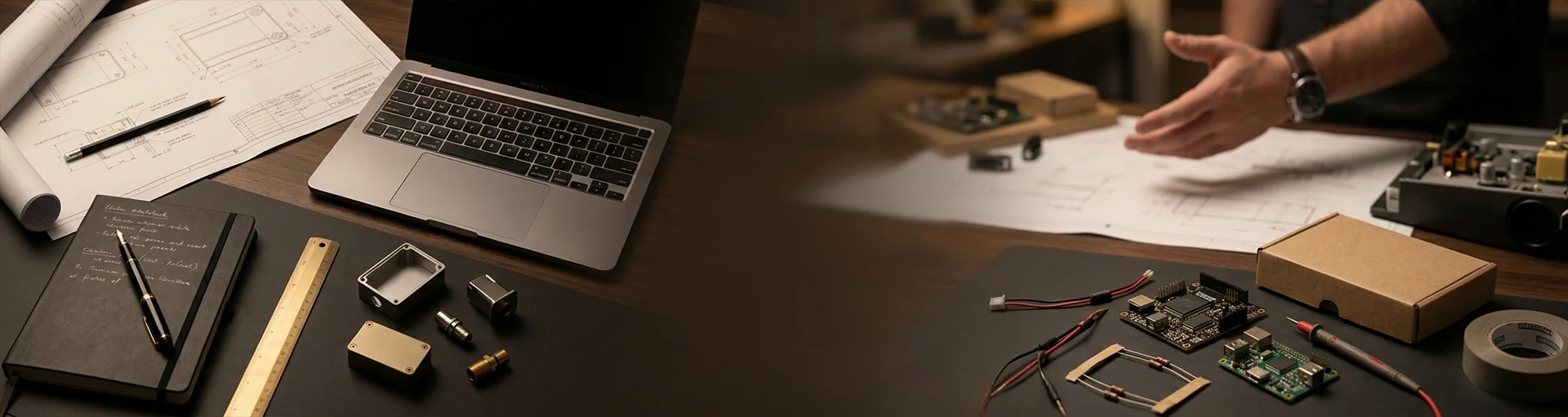
First-party MOES media used to illustrate project inquiry handling. Confirm exact offered-model evidence before selection.
Before requesting a comparative quote, assign an owner to each unresolved question. Provide the controlled record through MOES Contact Us or the OEM/ODM inquiry page with:
This creates a comparable inquiry without turning a broad phrase into a system claim.
It should clarify the functions the buyer wants to discuss, source and load context, storage questions, operating conditions, requested documents, and review ownership.
No. It records buyer language. A product feature must be checked against current information for the exact offered model.
Mark any missing source, load, storage, operating, document, or commercial information that a reviewer still needs to confirm.
Ask for current model documents, manuals, labels, approvals, and market-information materials that relate to the buyer’s stated questions.
The guide uses the MOES solar inverter category as a navigation reference. It does not confirm a combined function, named product, or system fit.
The buyer’s team should name the person responsible for technical and commercial confirmation after current offered-model evidence is reviewed.


OTHER SMART DEVICES
Jun 13,2026
OTHER SMART DEVICES
Jun 12,2026
TUYA SMART HOME PRODUCTS
Jun 12,2026
 +86 137 3639 3028