

by NOVA

Aug 08, 2026
A low frequency solar inverter label may help a buyer describe an initial product search, but it cannot complete a B2B selection. The first comparison needs current model documents, application context, known source and load inputs, and a clear owner for final engineering confirmation.
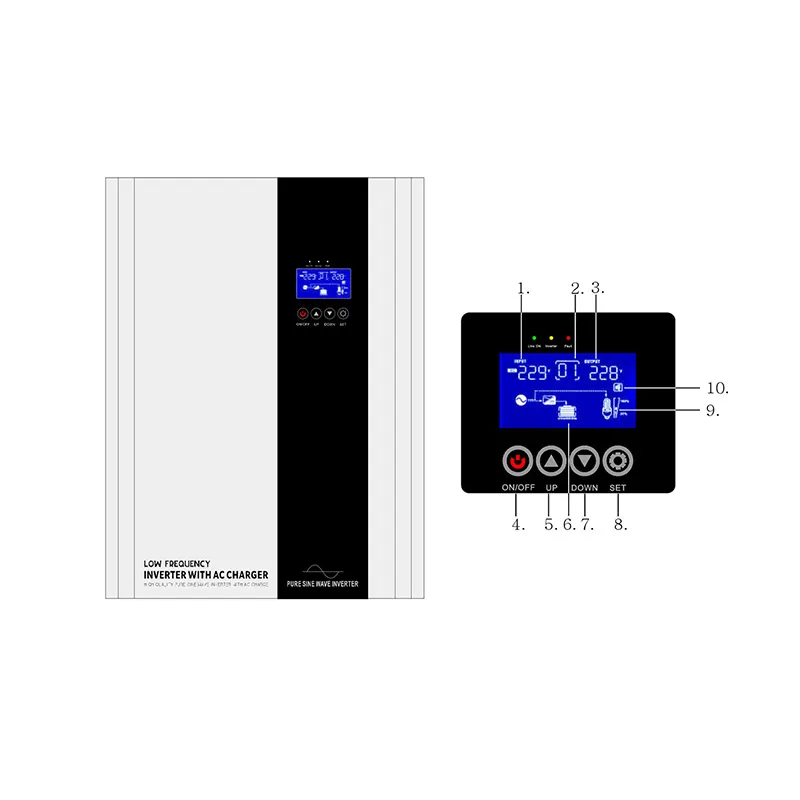
First-party MOES catalog image for a product-label discussion. It does not prove ratings, installation suitability, or project performance.
Important: Inverter labels and catalog images cannot validate wiring, protective arrangements, grid rules, or site sizing. Those decisions require current model documentation and project engineering. IEA PVPS
Search language can identify a buyer’s starting vocabulary, not a finished project specification. It does not establish the intended source path, load behavior, operating environment, model documentation, or local requirements. Treat it as a prompt for evidence questions rather than a conclusion.
The MOES off-grid inverter category is the appropriate range entry point for this discussion. The category does not itself approve a model for a particular site.
Model comparisons become unreliable when a quotation has no shared fact set. Ask what the buyer knows, what is still unknown, and which party will verify each point.
| Evidence area | Buyer should record | Why the gap matters |
|---|---|---|
| Offered-model documents | Requested datasheet and manual sections | Keeps title words separate from specifications |
| Source and load notes | Known paths, equipment types, and unknowns | Frames questions for the offered model |
| Operating context | Mobile, backup, off-grid, or another stated context | Prevents unrelated comparisons |
| Market requirements | Requested labels, manuals, and approvals | Routes commercial evidence review |
| Confirmation owner | Buyer, installer, engineer, or EPC team | Makes responsibility visible |
An off-grid inquiry and a backup inquiry can use similar language while requiring different project information. Record the intended application before asking a supplier to compare a model. The solar power inverter terminology guide can help clarify the words used in an inquiry; the off-grid solar inverter buyer’s guide addresses a more specific off-grid selection path.
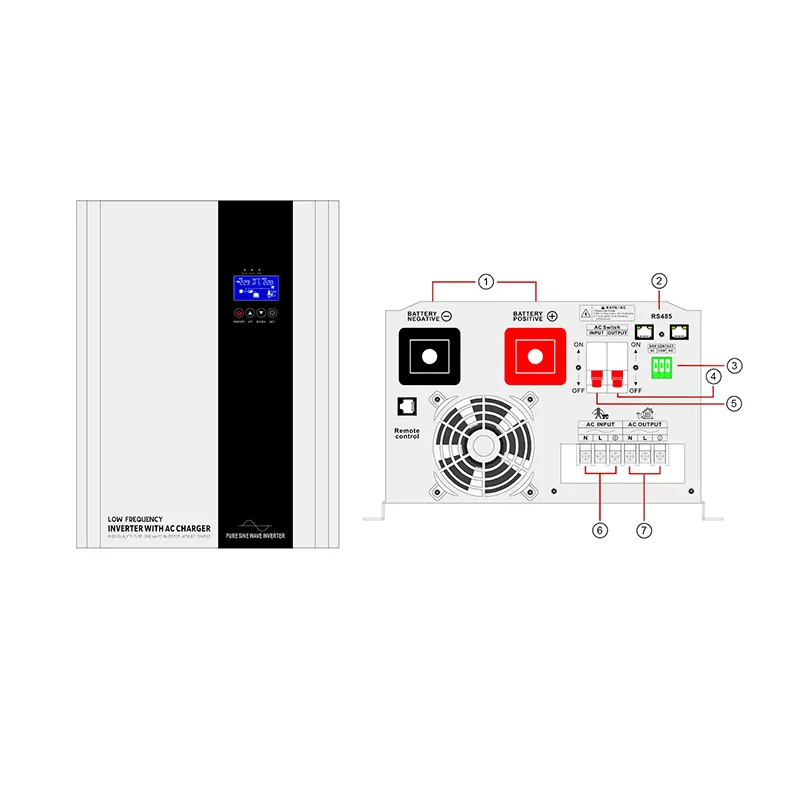
Catalog detail for the offered-model discussion. Ask for current evidence before treating a feature as confirmed.
Use a shared review sheet so every quotation answers the same open questions.
| Evidence-review question | What to request | Send with quote |
|---|---|---|
| What is the intended application? | Buyer use case and project stage | Yes |
| Which model documents are needed? | Datasheet, manual, labels, and applicable evidence | Yes |
| What source and load notes are known? | Known facts and explicit unknowns | Yes |
| Which market requirements apply? | Destination and requested documentation | Yes |
| Who confirms final technical fit? | Named buyer-side engineering owner | Yes |
The sheet is not an electrical calculation. It is a record of what must be confirmed before a comparison is treated as technically meaningful.
The Low Frequency Pure Sine Wave Hybrid Solar Inverter Off-Grid Inverter /Charger listing is the bounded MOES reference for this vocabulary. Its title makes it relevant to a buyer beginning an evidence review.

First-party MOES catalog image. It should not be substituted for the referenced model without an explicit document review.
The listing title does not confirm a rating, waveform behavior, battery arrangement, local approval, protection design, or site fit. Those remain model- and project-specific.
Pause a quote when it lacks current model documents, source and load notes, destination requirements, or a named technical-review owner. Continuing at that point produces a catalog comparison, not a defensible procurement decision.
Send the evidence sheet through Contact Us or the OEM/ODM inquiry route with the application context, requested documents, quantities, target market, and unresolved questions.
Verify the intended application, current offered-model documents, known source and load inputs, market-document needs, and the owner of final technical confirmation.
No. It is catalog vocabulary, not a site-specific approval. Suitability requires the offered model’s documentation and project engineering review.
A title helps identify a listing, while a datasheet and project information are needed to evaluate the actual offered model under stated conditions.
No. Images are product-context evidence only. Ratings, protection, wiring, and performance need current technical documentation and engineering confirmation.
The article references the Low Frequency Pure Sine Wave Hybrid Solar Inverter Off-Grid Inverter /Charger listing as a bounded catalog example.
Pause when application context, model documentation, source or load notes, market requirements, or final technical-review ownership are missing.


OTHER SMART DEVICES
Jun 13,2026
OTHER SMART DEVICES
Jun 12,2026
TUYA SMART HOME PRODUCTS
Jun 12,2026
 +86 137 3639 3028