

by NOVA

Aug 08, 2026
For B2B buyers, smart switches and sockets are not one interchangeable category. A practical range starts by recording what each device controls, where it is expected to be used, what documents the buyer needs, and who confirms the offered model.
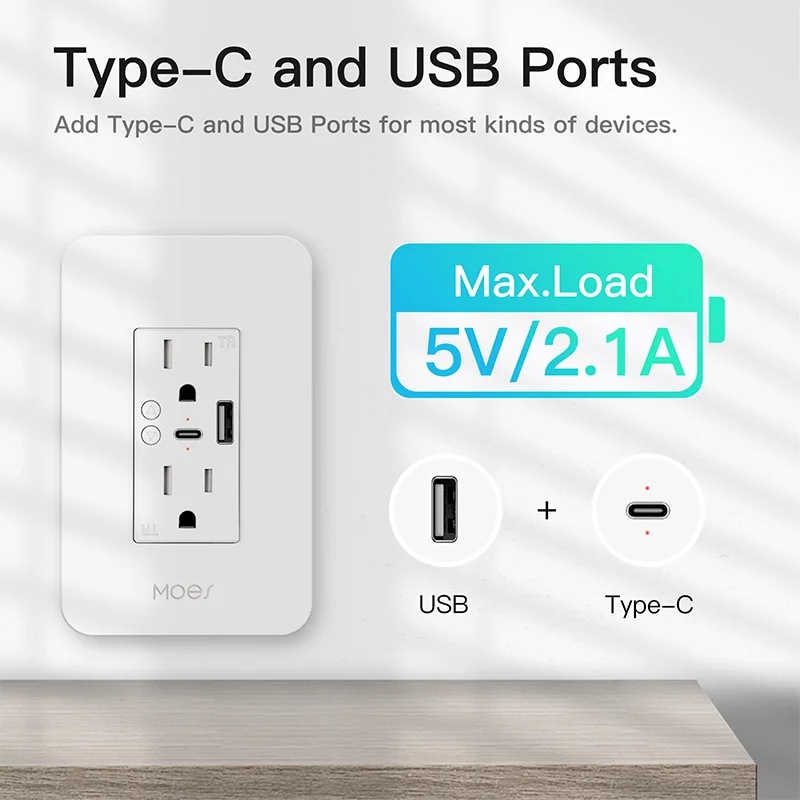
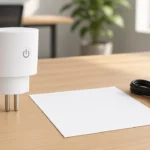
First-party MOES catalog image for a socket-category discussion. It is not an installation approval.
Important: A connected-device claim must be tied to an offered model and its current documents before it reaches a channel range. Tuya Developer Platform
A sales range can become hard to compare when a buyer groups controls, outlets, gateways, and accessories under a single “smart home” request. The question is not which product has the longest title. It is which device role the channel needs to represent and what proof accompanies that role.
The MOES smart switch category is a useful upper-level entry point. It should be read with product documents, not as a blanket statement about every deployment.
A switch discussion begins with the intended control point. A socket discussion begins with the outlet role and the requested product evidence. Separating those discussions makes a channel assortment easier to support.
| Category role | Buyer should describe | Review owner |
|---|---|---|
| Switch role | What is being controlled and the known project context | Buyer and installer |
| Socket role | Intended outlet use and requested market documents | Buyer and supplier |
| Connected-system role | Devices expected to be considered together | Buyer and technical reviewer |
| Support role | Who handles setup, product questions, and after-sales path | Channel owner |
Terms such as Zigbee and Matter identify ecosystem contexts documented by the Connectivity Standards Alliance. They are not a shortcut around checking the offered model. A buyer should record the exact ecosystem request, the related devices, and the documentation that needs review.
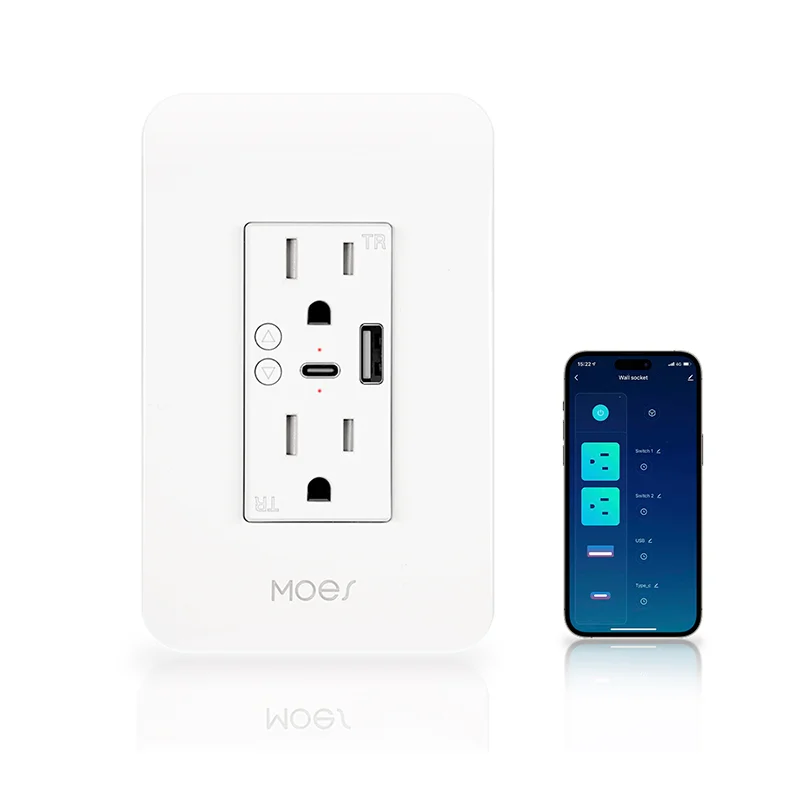
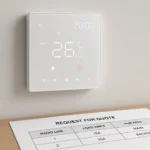
Catalog detail for a connected-device range review. Model-level evidence remains necessary.
For retrofit-specific questions, see the socket and switch planning guide. For a combined installation-product discussion, see the smart socket and switch combinations guide.
Use the same fields for each proposed line item so missing information is visible before pricing begins.
| Matrix field | What to record | Send with quote |
|---|---|---|
| Device role | Switch, socket, or another defined control function | Yes |
| Deployment context | Known project type, retrofit question, or unspecified use | Yes |
| Ecosystem request | Exact buyer wording and the proof requested | Yes |
| Market documents | Manuals, labels, approvals, or language requirements | Yes |
| Confirmation owner | Person responsible for product and technical review | Yes |
The matrix does not substitute for a datasheet, a local code review, or an installation design.
For a socket-category inquiry, the bounded product reference is the WiFi Smart Power Wall Socket with Type C And USB Dual Outlet Plug listing. Its title provides a specific catalog starting point for an outlet discussion.
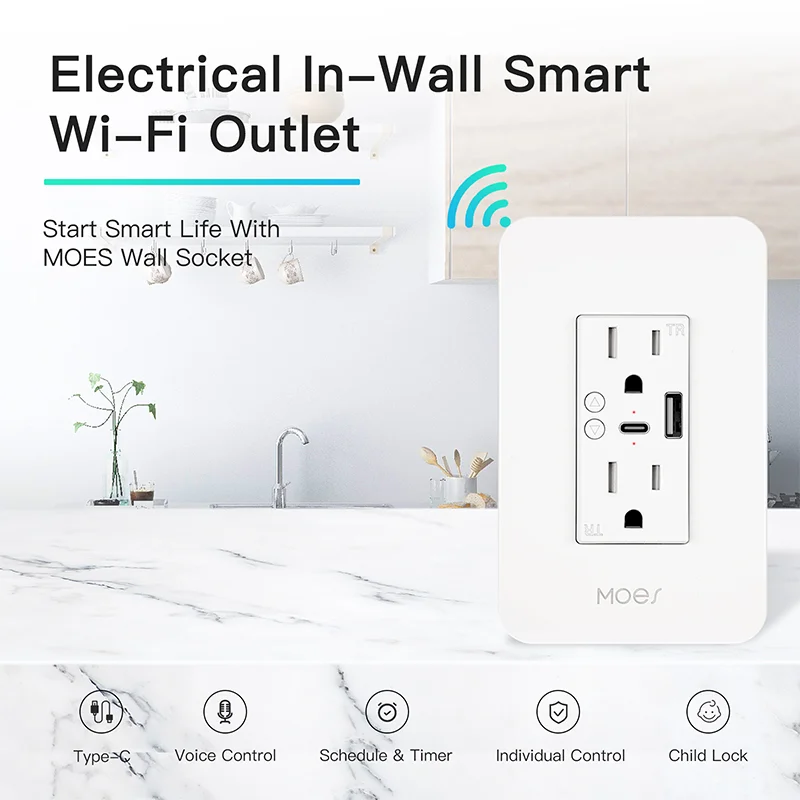
First-party product image. Confirm the exact offered model and market requirements before selection or installation.
It does not replace a switch review, because the control role and documentation needs are different.
Send the range brief through Contact Us or the OEM/ODM inquiry route with:
This creates a comparable B2B request without turning category labels into unsupported technical promises.
It should contain the device role, deployment context, ecosystem request, market-document needs, and the person responsible for confirming the offered model.
They address different control and outlet discussions. Keeping roles separate makes the required evidence and support path easier to compare.
No. They identify an ecosystem context. A buyer should request current documentation for the exact offered model and intended system scope.
No. A title identifies a catalog listing. Installation, local requirements, and electrical suitability need current model evidence and project review.
The article references the WiFi Smart Power Wall Socket with Type C And USB Dual Outlet Plug listing as a bounded socket-category example.
Include device roles, known deployment context, target-market documentation needs, quantities, samples, and the owner of product confirmation.


OTHER SMART DEVICES
Jun 13,2026
OTHER SMART DEVICES
Jun 12,2026
TUYA SMART HOME PRODUCTS
Jun 12,2026
 +86 137 3639 3028