

by NOVA

Sep 14, 2026
Buyers lock the lamp-base family, the regional plug or wall-socket form, box depth on a hardwired unit, the listed wattage or LED load, and sensor versus always-on before a night light socket size quote can be compared. One word on a purchase line is not enough, because the charts treat “socket” as a lamp thread while a hallway job may actually need a wall plug, a box, or a sealed lens. The sheet below splits those fields so two offers can be read the same way.
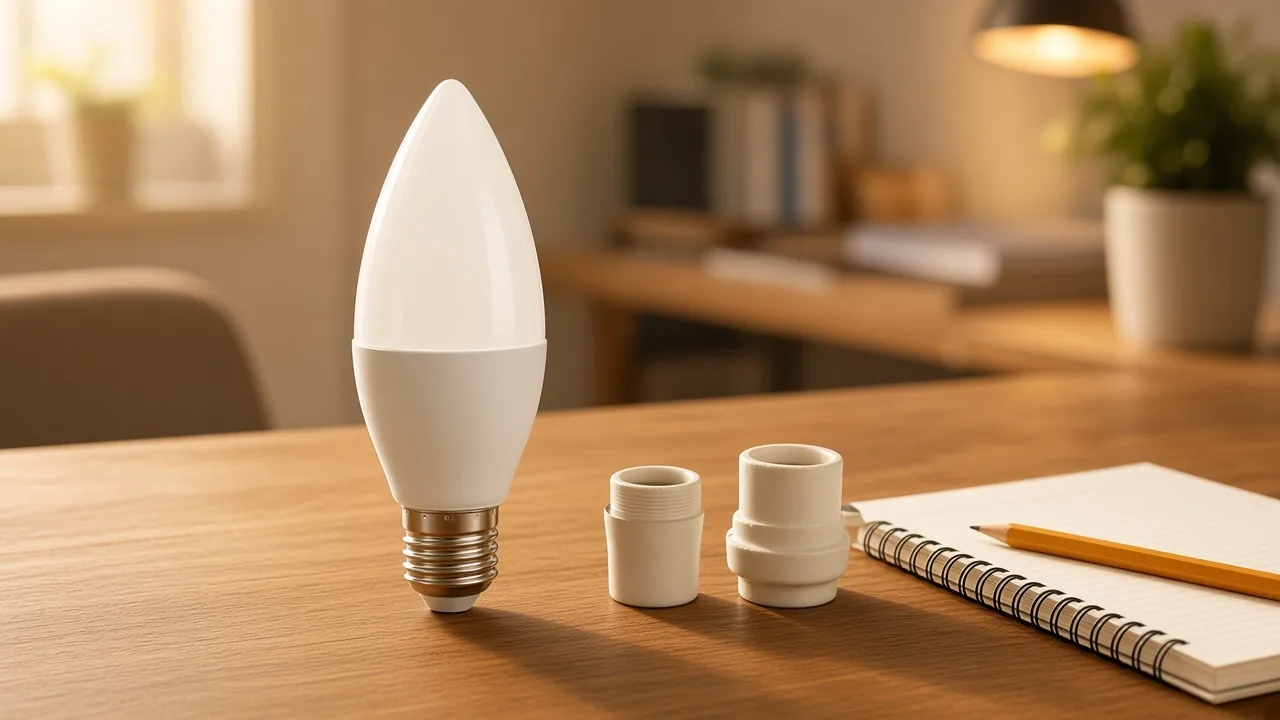
Five fields decide whether a night-light offer can be compared: lamp base, plug or wall-socket form, box depth, listed load, and night mode. Leave one blank and the supplier will guess, usually by copying a household medium screw onto a small night-lamp holder.
A hallway bid shows the habit. The coordinator writes “night light, standard socket” and the return package arrives with medium bulbs. The holders on site are the small thread used for decorative night lamps.
Nothing is broken in the shipment. The field name was too vague to prevent it.
| Field | What to write down | What goes wrong if it stays blank |
|---|---|---|
| Lamp-base family | Candelabra, intermediate, or medium, plus the regional code on the holder | A household bulb will not thread into a night-lamp holder |
| Wall plug form | Parallel-slot or the regional blades the site actually has | A plug-in unit arrives that will not enter the receptacle |
| Box depth | The listing’s box and device depth when the unit is hardwired | A flush unit stands proud of a shallow box |
| Listed load | The wattage or LED input printed for that unit | A bright bulb is quoted into a small night-lamp holder |
| Night mode | Always-on, manual, light sensor, or motion | An LED replacement is quoted into a sensor base that the listing warns against |
The box line stays blank until the listing names a depth. Reviewed socket charts do not set a universal wall-box number, so a guessed depth is worse than an empty cell.
Hardwired units use that cell. A plug-in unit leaves it marked “not applicable” rather than inventing a measurement.
The lamp thread and the wall plug are different parts, and a household medium screw is not the night-lamp default. Edison screw codes name the metal thread that screws into a holder. The wall plug form is the blade pattern that enters the receptacle.
Writing both into one “size” cell is how a US candelabra unit gets copied onto a European small-screw job.
Wikipedia lists the E12 thread at 12 mm and ties that candelabra size to 120 V night lamps. That code names the thread peaks. It is a reference measurement, separate from glass size and separate from any MOES drawing.
A candelabra base is the name buyers already use for that small North American thread.
The same fittings table lists the E14 thread at 14 mm for 230 V night lamps. Two millimeters is enough to keep the threads from matching. An export quote that copies a candelabra base line onto a higher-voltage small-screw site will look tidy and still fail at the holder.
From the field: A poster could not name a small bulb sitting next to a medium household screw, and a reply called it a C7 nightlight form with a candelabra base, then told them to measure the diameter. A second thread rejected a replacement because the base looked longer, and the reply said an LED can carry a longer base and still share the same thread. Length is a weak proxy; the thread diameter is the field — source: the r/lightbulbs replies cited below.
A plug-in night light still needs its own line even after the thread is known. Direct plug-in units in the nightlight standard go into a parallel-slot receptacle. Corded lamps, multi-receptacle gadgets, and devices whose main job is a fragrance or a flashlight sit outside that class.
Mark corded versus plug-in on the sheet so the class stays honest.
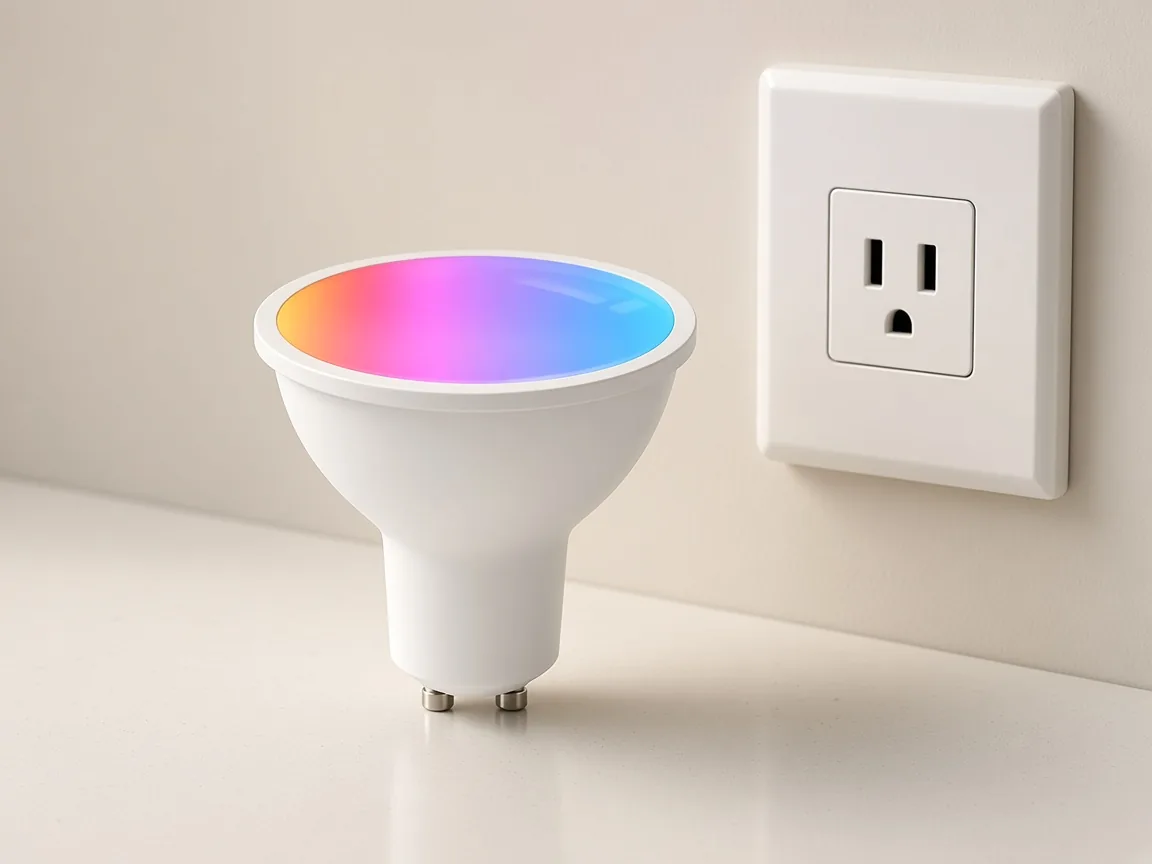
Glass codes are a third, quieter mix-up. An A19 describes the bulb shape, not the holder. A candle-shaped glass can sit on a small thread or on a medium screw.
If the sheet only says “candle,” the warehouse can pick either. Ask for the thread code printed on the holder or on the old bulb.
A sealed LED night light has no replaceable socket, so the quote locks plug, load, and night mode instead. The live search overview said the same thing in shorter form: many current night lights use a built-in board and do not accept a bulb at all. Forcing an E-code onto that unit creates a fake field that no supplier can fill.
The nightlight standard already splits the light source. It covers candelabra-base lamps and it also covers non-replaceable LED sources. Both can be a direct plug-in nightlight.
They are not the same spare-parts story. A replaceable holder needs a bulb code. A sealed lens needs the unit’s listed input and the night mode printed on the carton.
Corded luminaires are outside that plug-in class. If the sample has a cord, file it apart from a direct plug-in nightlight even when it glows at night. The sheet gets a class line: replaceable thread, sealed plug-in, or corded lamp.
That single line stops three different products from sharing one price.
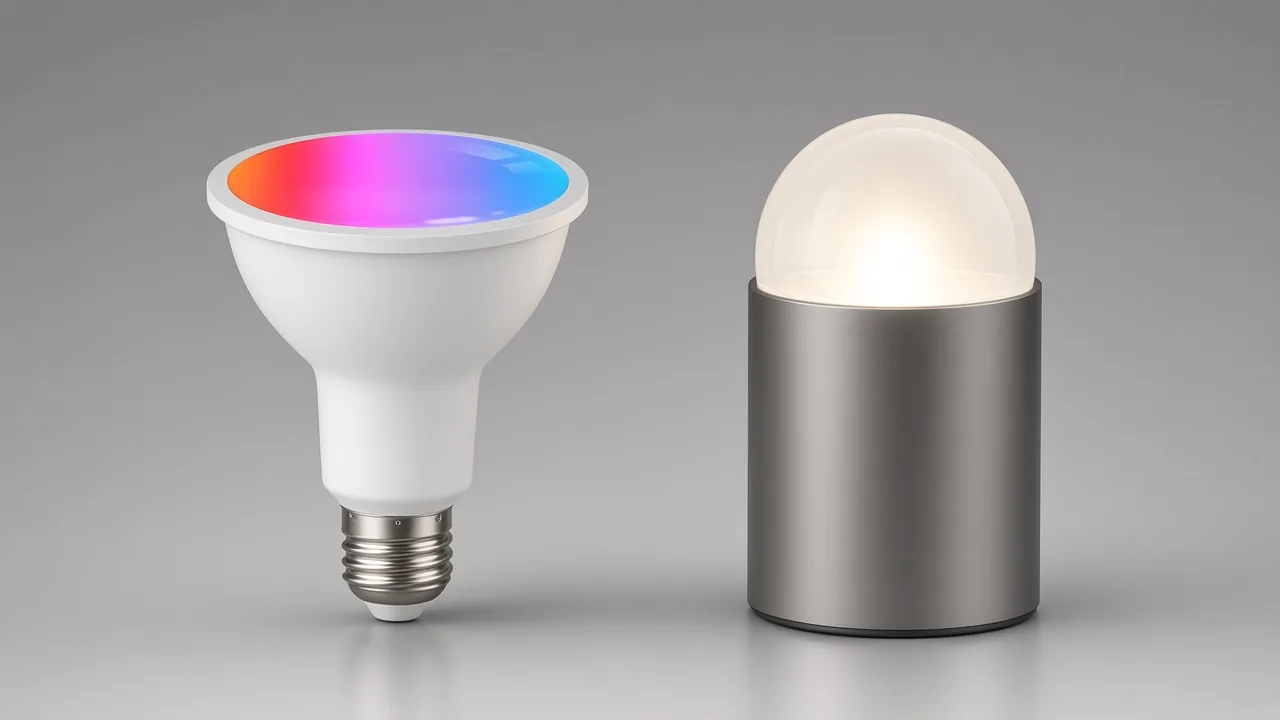
A sealed unit can still be the right hallway part. It simply does not answer “what bulb fits.” Channel teams who stock replacement bulbs should see that on the sheet before they quote a spare-bulb pack the fixture cannot use.
The listing’s wattage or LED load, and whether the unit stays on or uses a sensor, change which bulb or unit can be quoted. A small holder is a heat and fit problem as much as a thread problem. A bright decorative bulb that threads in can still be the wrong load for that holder.
UL 1786 covers direct plug-in nightlights not exceeding 10 W input. That ceiling belongs to the standard’s device class. It is a class ceiling, separate from any wattage printed on a MOES lamp page, and separate from corded lamps in the building.
Use it only when the unit is that plug-in class.
Those units go into a parallel-slot receptacle rated 125 V maximum. If the site uses a different blade pattern or a different supply, the quote names that form instead of assuming the North American parallel slot. Wall plug form and supply voltage stay paired on the sheet.
Night mode is the field charts skip. Retail comparisons talk about manual rockers, rotating plugs, light-sensor bases that come on in the dark, and motion bases. Some of those pages say an LED replacement may fail or flicker in an automatic base.
The quote should copy the listing’s night-mode line rather than assuming every LED bulb is happy in a sensor socket.
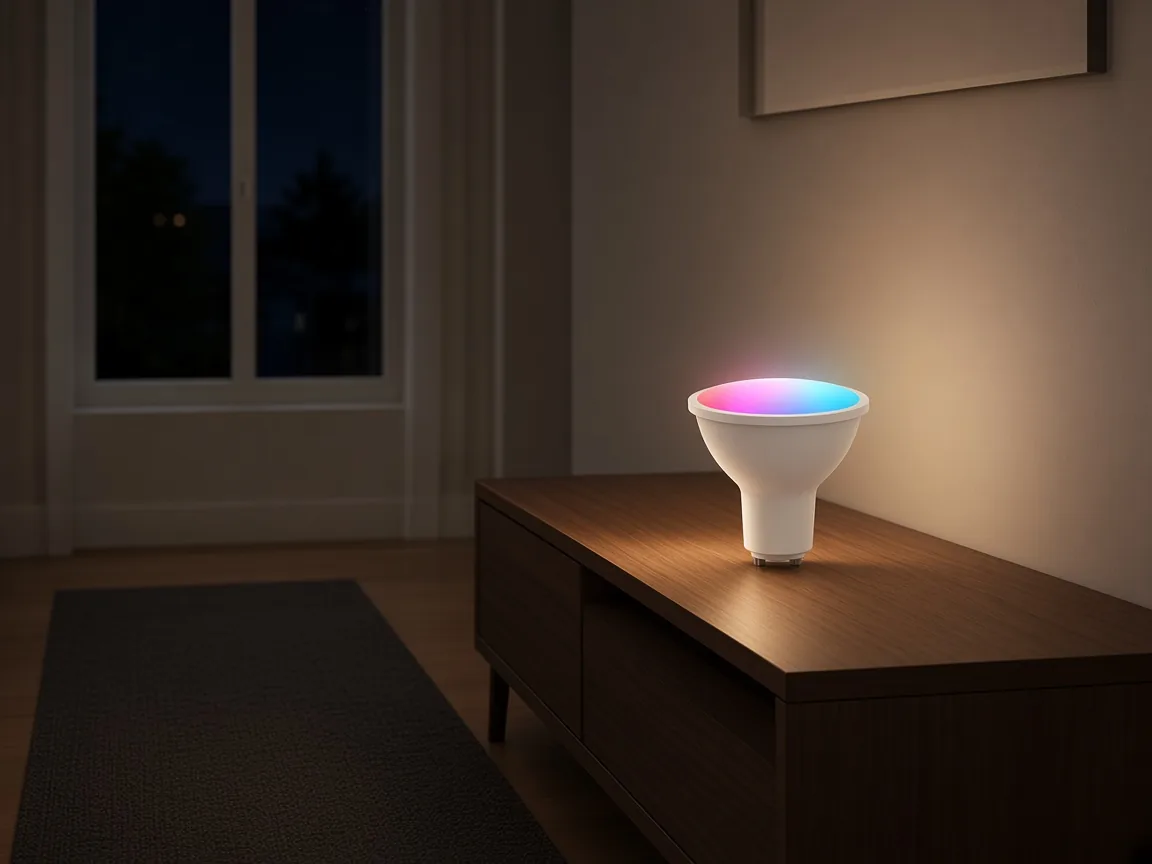
A hotel corridor and a child’s room do not share a night mode. One may want a sensor so the path is dark until someone walks. The other may want a steady glow.
Either choice is valid. An unnamed choice is how a sensor unit and an always-on unit get priced as the same SKU.
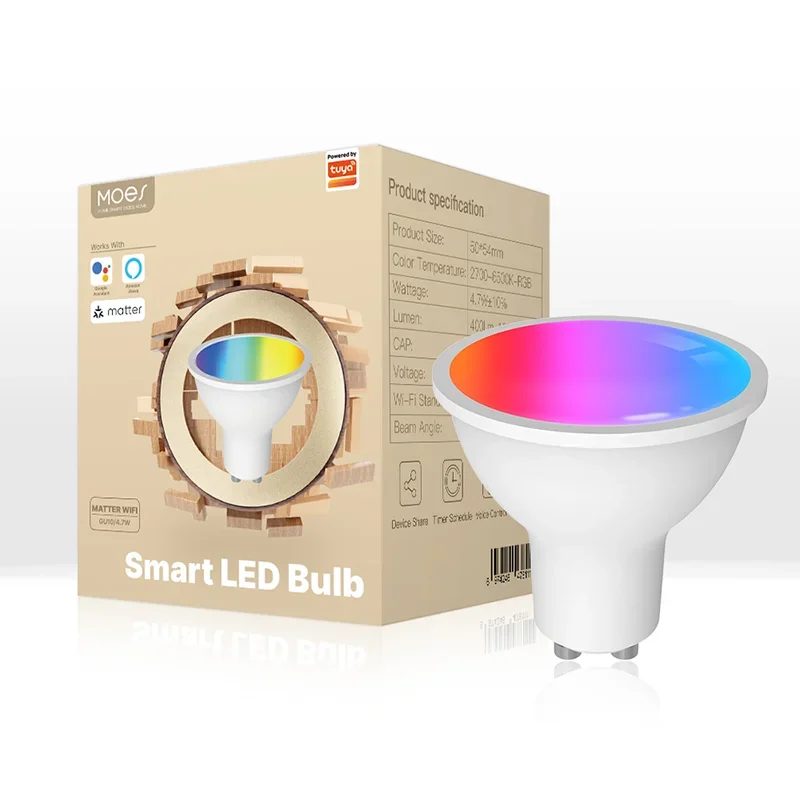
The live MOES candle lamp publishes GU10, E27, and E14; it is a lamp page, and night-light socket fields stay on the quote sheet. A catalog search for a night light did not return a night-light product. Camera pages that mention night vision are a different job.
The closest live lamp that actually names bases is the MOES Matter candle lamp.
The live page lists model MWB-TD5-RCW-GU10 at 9W±10% on AC90-250V. Those figures belong to that lamp listing only.
They do not describe a plug-in nightlight class, and they do not create a candelabra night-light socket that the page never names. Channels that need a smart bulb with the published bases can quote this model. Channels that need a night-lamp thread still fill the sheet.
| Published on the lamp page | Use it for | Leave it off the night-light line |
|---|---|---|
| Title names GU10, E27, and E14 | Quote those bases as written | Do not add a candelabra night-light socket |
| Model MWB-TD5-RCW-GU10 | Identify this listing | Do not treat the model as a night-light SKU |
| Wattage and voltage on that page | Compare this lamp’s listed load | Do not copy them onto a sealed night light |
Lighting control for a path that already has a holder sits on the smart switch cluster, not inside this lamp’s base list. A switch can change when a circuit is on. It does not change the thread in the holder.
Keep that split when the same project buys both.
The same sheet uses the regional code printed for that site, so a US candelabra line is not copied onto a higher-voltage small screw. A buyer moving lamps between countries already hits this: the thread and the plug can both change, even when the glass looks familiar. The sheet makes that a column, not a surprise at the dock.
Read the holder or the old bulb before the code is typed. Community replies keep returning to a tape measure across the thread, because a printed number on the glass can be a shape code and a longer LED base can still share the thread. One measured sample beats a catalog photo.
When the sample is sealed, measure the plug and copy the night mode instead. The sheet then stays comparable: every row has a class, a connector, a load, and an on-behavior, whether or not a bulb exists. That is the difference between a chart of thread diameters and a quote a channel can send.
It usually means the lamp-base thread, and that is only the first field. Charts answer with a candelabra or small-screw code. A channel quote also needs the wall plug, the box when the unit is hardwired, the listed load, and the night mode.
No. One is the North American candelabra thread used on night lamps in that market, and the other is the small screw used on higher-voltage night lamps. They are close in name and not the same holder.
Not as a matching thread. The medium screw is the household default. A night-lamp holder is the smaller thread.
An A-series number describes the glass, so it does not name the holder either.
No replaceable socket, so there is no thread to lock. The quote records the class as sealed, then locks the plug, the listed input, and the night mode. A spare-bulb pack is the wrong companion part.
For the direct plug-in nightlight class, the published class line is a parallel-slot receptacle at the voltage ceiling named in that standard. Other blade patterns and corded lamps get their own line rather than borrowing that class.
Some night-light comparisons say an LED replacement may fail or flicker in an automatic or light-sensor base even when the thread matches. Copy the listing’s night-mode note before quoting a bulb into a sensor unit.
The live page is a candle lamp whose title names GU10, E27, and E14. It does not publish a night-light socket, a box depth, or a photosensor. Use it where those published bases are the job, and keep night-light fields on the quote sheet.


OTHER SMART DEVICES
Jun 13,2026
OTHER SMART DEVICES
Jun 12,2026
TUYA SMART HOME PRODUCTS
Jun 12,2026
 +86 137 3639 3028