

by NOVA

Aug 07, 2026
A solar inverter application cannot be qualified from a wattage phrase alone. Before a B2B buyer asks for a model, the inquiry should define the source path, the loads under discussion, the operating context, requested documents, and who owns final engineering confirmation.
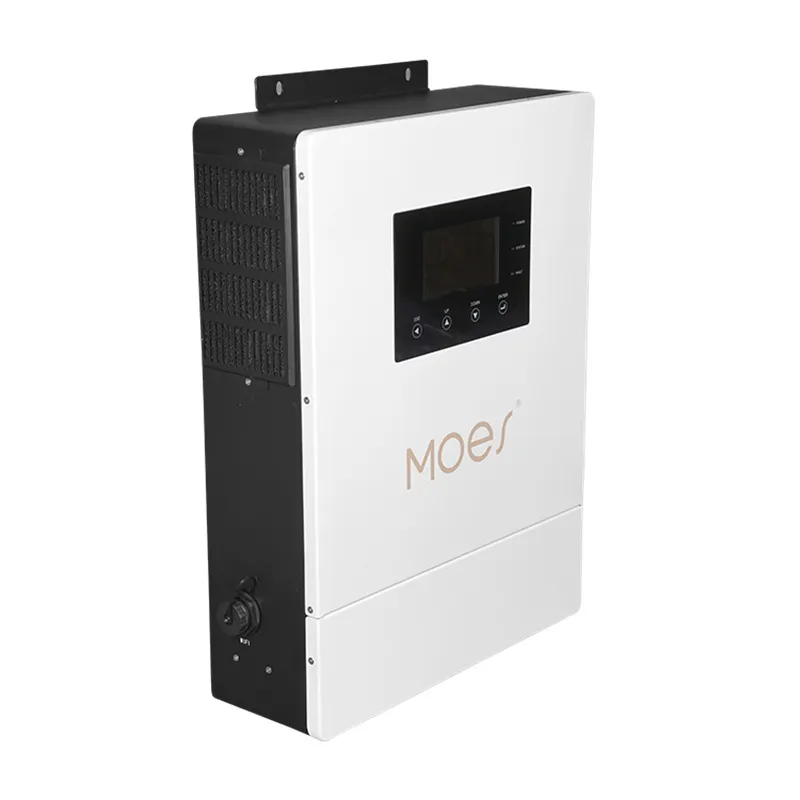
First-party MOES catalog image used as a product-context reference; it does not approve a system design or operating condition.
Important: A product title or catalog image cannot validate wiring, protection, grid compliance, or site sizing. Those decisions require current model documents and project engineering. IEA PVPS
An inverter inquiry can refer to backup, off-grid, mobile, renewable-energy, or another application. The same search phrase does not establish the source path, connected loads, operating pattern, or local requirements. Defining the application first helps suppliers and buyers avoid comparing unrelated offers.
The MOES solar inverter category is the correct range entry point. It should not be treated as proof that every item in the category fits the same project.
Record the facts a commercial team can gather without turning the article into an unapproved design calculation:
| Input | What to describe | Why it matters to the inquiry |
|---|---|---|
| Source path | Known DC source, AC source, or backup path | Sets the application boundary |
| Load notes | Equipment types and any known start-up behavior | Identifies questions for model documentation |
| Operating context | Stationary, mobile, backup, or off-grid discussion | Prevents a generic quote |
| Market request | Destination, manuals, labels, and approvals requested | Routes commercial evidence review |
| Decision owner | Buyer, installer, engineer, or EPC team | Makes confirmation responsibility visible |
These fields support discovery. They do not calculate capacity or approve a connection arrangement.
Application scope describes what the buyer is trying to power or support. Engineering approval establishes whether a particular offered model, protective arrangement, and installation can do that work. Keeping these separate is essential when project data is incomplete.
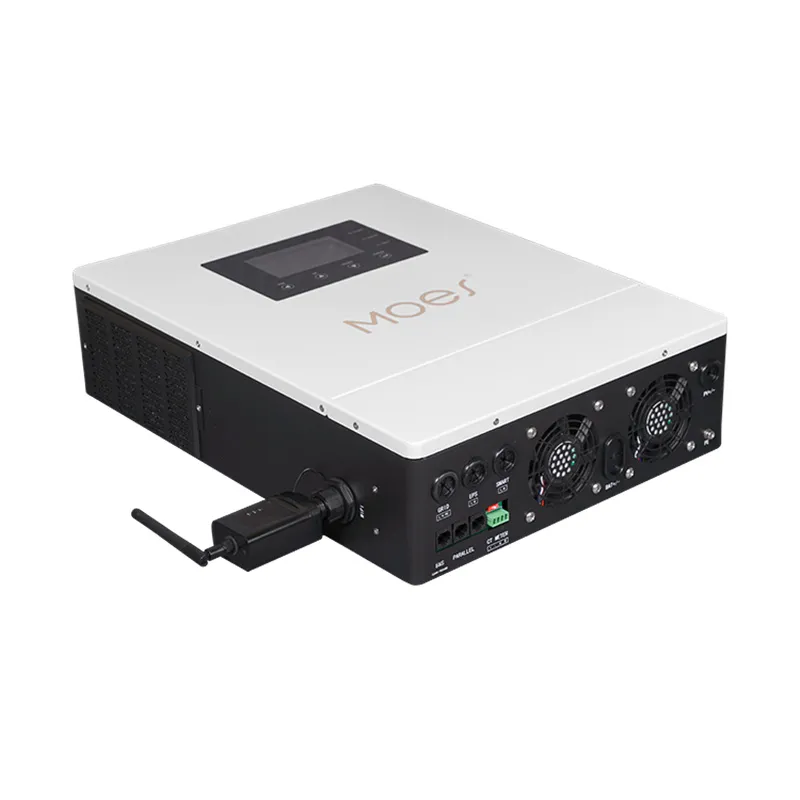
Catalog detail for application discussion. Electrical ratings and system fit must be verified against current model material.
Use the solar power inverter terminology guide when a team needs to clarify purchasing language. Use the off-grid solar inverter buyer’s guide when the conversation is specifically about off-grid selection questions.
An application brief gives every bidder the same starting information. It improves comparability without assuming technical answers that are not yet documented.
| Application-brief field | What to record | Send with quote |
|---|---|---|
| Intended application | The buyer’s stated use and project stage | Yes |
| Source and load notes | Known paths, equipment types, and unknowns | Yes |
| Site constraints | Environment, operating pattern, or pending site information | Yes |
| Evidence requested | Datasheet, manual, labels, and approval documentation needed | Yes |
| Review owners | Who confirms engineering, purchasing, and market requirements | Yes |
The buyer should mark gaps openly. A blank field is safer than an invented voltage, power range, waveform, protection arrangement, or certification claim.
For a hybrid/off-grid catalog discussion, the bounded reference is the Low Frequency Pure Sine Wave Hybrid Solar Inverter Off-Grid Inverter /Charger listing. Its title makes it relevant to a buyer examining that vocabulary.
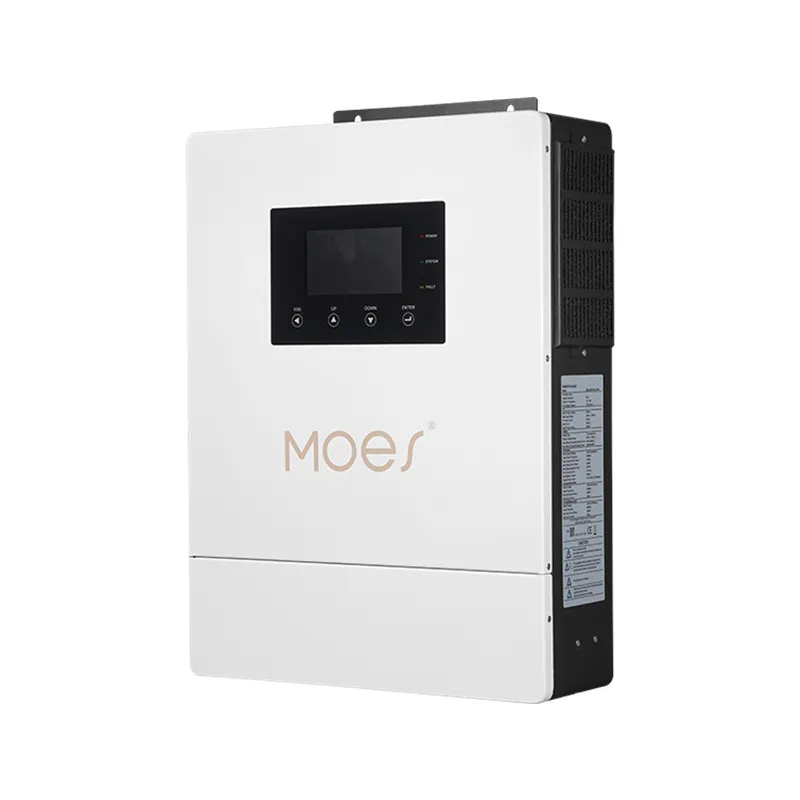
First-party product image. Confirm the exact offered model and project conditions before treating it as a recommendation.
It is not a substitute for an ATS when the question is transfer-path control, or for a charge controller when the question is array-to-battery charging behavior. Those are different application boundaries.
Pause a model comparison when the source path is undefined, the load notes are absent, the destination requirements are unknown, or a buyer asks for a technical approval without a current datasheet and engineering owner.
Send the application brief through Contact Us or the OEM/ODM inquiry route with the intended use, available documentation, quantities, destination requirements, and unanswered questions. That gives the response team an auditable basis for an offered-model conversation.
Define the intended application, known source and load information, operating context, market documentation needs, and the person responsible for final engineering confirmation.
No. A wattage phrase alone does not define source paths, load behavior, installation conditions, or the offered model’s documented limits.
No. A catalog title identifies a product listing. Installation, protection, compliance, and site fit need current documents and project engineering review.
Unknowns show where a quote needs clarification. They are safer than assumptions that lead to incomparable offers or an unsupported technical claim.
The article references the Low Frequency Pure Sine Wave Hybrid Solar Inverter Off-Grid Inverter /Charger listing as a title-level catalog example.
Pause when source paths, load notes, target-market requirements, or the owner of engineering confirmation have not been identified.


OTHER SMART DEVICES
Jun 13,2026
OTHER SMART DEVICES
Jun 12,2026
TUYA SMART HOME PRODUCTS
Jun 12,2026
 +86 137 3639 3028