

by NOVA

Aug 09, 2026
For a multi-room project, a wall switch socket request becomes easier to review when the team treats each room as a record rather than sending a loose product list. The record should show the room purpose, the control and outlet questions, the drawing reference, the evidence requested, and the owner of each unresolved decision.

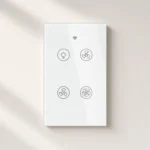
First-party MOES exhibition image used to illustrate category discussion. It is not proof of a project design or offered-model fit.
Important: A plan or category label cannot approve wiring, local requirements, or an offered model. Use current project documents and qualified technical review before selection. International Electrotechnical Commission
One floor plan can contain rooms with very different operating needs. A lobby, meeting room, service room, and guest room may each create different questions, yet a quotation request often combines them in one unannotated list.
A shared schedule gives the buyer, installer, distributor, and supplier one place to see what is known. It also keeps unanswered questions visible instead of turning assumptions into product requirements.
The MOES smart switch category can be used as a navigation point after the project roles are recorded. It is not a substitute for model documents or a room-specific decision.
Start with the project drawing reference and the intended role of the room. Then list what the team knows and mark every unknown for follow-up.
| Room schedule field | What the project team records | Review owner |
|---|---|---|
| Room purpose | The intended use and the user or operator role | Buyer or project lead |
| Control question | What the team needs to control, without assuming a product model | Buyer and installer |
| Outlet question | The stated outlet purpose and any documentation request | Buyer and technical reviewer |
| Drawing reference | Sheet, room tag, or markup reference | Project lead |
| Open decision | Missing information or a decision that needs confirmation | Named owner |

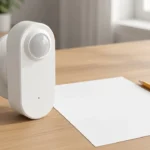
First-party MOES exhibition image for a room-category discussion. Confirm the offered model and project requirements separately.
A switch record answers a control-point question. A socket record answers an outlet-purpose question. They may sit in the same room, but they should not be merged into a single unsupported technical statement.
Keep the two records adjacent in the schedule so the project team can see related rooms and shared decisions. Their required evidence can still differ, especially where the buyer needs a particular document, label, or review from an installer.
For joint range planning beyond a drawing handoff, see the sockets and switches planning guide. For a separate retrofit-selection discussion, see the smart socket and switch combinations guide.
The first RFQ should attach the room schedule to the relevant drawing pages. It should describe questions and document requests, not imply that a room already has an approved electrical solution.
| Drawing/RFQ input | Buyer should provide | Why it matters |
|---|---|---|
| Annotated room list | Room tags and the intended use of each room | Lets reviewers compare the request against the drawing |
| Separate device roles | Control-point and outlet-purpose questions | Prevents one generic label from hiding different needs |
| Requested evidence | Current model documents, labels, or market-language needs | Makes documentation gaps visible before quoting |
| Open items | Unknown project facts and the person who will resolve them | Stops assumptions from becoming quote inputs |
| Commercial context | Quantity range, samples, and desired communication route | Gives the supplier a usable inquiry context |
Terms used in a connected-system request should remain buyer wording until the offered model is reviewed. Tuya Developer Platform provides platform vocabulary, but it does not confirm the scope of a particular offered product.
With the room schedule complete, use the MOES smart switch category as a starting point for a category conversation. The link helps a buyer describe where the request belongs without claiming that the category approves a project configuration.

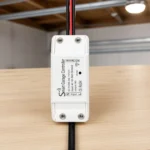
First-party MOES exhibition image. It is a category illustration, not a recommendation for a specific room or circuit.
The product recommendation here is the category reference, not a named product. A final selection needs the exact offered-model information and the project team’s confirmation.
Before sending the request through Contact Us or the OEM/ODM inquiry route, assign an owner to every unknown item. A useful handoff includes:
This structure supports a clearer B2B conversation without presenting a drawing record as installation guidance.
It should contain the room purpose, control-point question, outlet-purpose question, drawing reference, requested evidence, open decisions, and the person responsible for confirmation.
They represent different questions in a project brief. Separate records help the team request the right information without assuming that one device role determines the other.
No. A floor plan records project intent. Wiring, local requirements, and offered-model suitability need current documents and qualified project review.
Send annotated drawing pages, the room schedule, separate device questions, requested documents, known quantity or sample context, and the owner of unresolved items.
No. It is a category navigation reference. The buyer should request information for the exact offered model before making a project decision.
The project team should name the person responsible for technical and project confirmation, then keep that owner beside each open item in the schedule.

OTHER SMART DEVICES
Jun 13,2026
OTHER SMART DEVICES
Jun 12,2026
TUYA SMART HOME PRODUCTS
Jun 12,2026
 +86 137 3639 3028