

by NOVA

Oct 26, 2026
A zigbee water sensor is a moisture detector that reports wet or dry over a Zigbee network through a hub. It alerts when water bridges its sensing contacts. It does not close a pipe by itself.
On this catalog, product search for water sensor, water leak, flood sensor, leak sensor, and zigbee water returns shut-off valve pages, a gas leak sensor, thermostats with “water boiler” in the title, and unrelated hardware. It does not return a dedicated Zigbee water, leak, or flood sensor page.
The sections below define the moisture measure-and-report class with the Zigbee radio qualifier, explain why Zigbee still needs a hub path, keep shut-off valves in the actuator class, name the live pages a water search actually hits, and keep any quote on printed fields only.
For this Zigbee-qualified water-sensor keyword row, start orientation from the smart modules pillar. Related sensor and valve topical pages on this site also sit under other smart devices.
This page does not rewrite the general water leak sensor clarification, the water sensor shut off valve clarification, or the how a water sensor works clarification.
It only settles the Zigbee-qualified water-sensor search against the live shelf. USB Zigbee dongle and coordinator-stick questions belong on a separate Zigbee dongle article, not here.
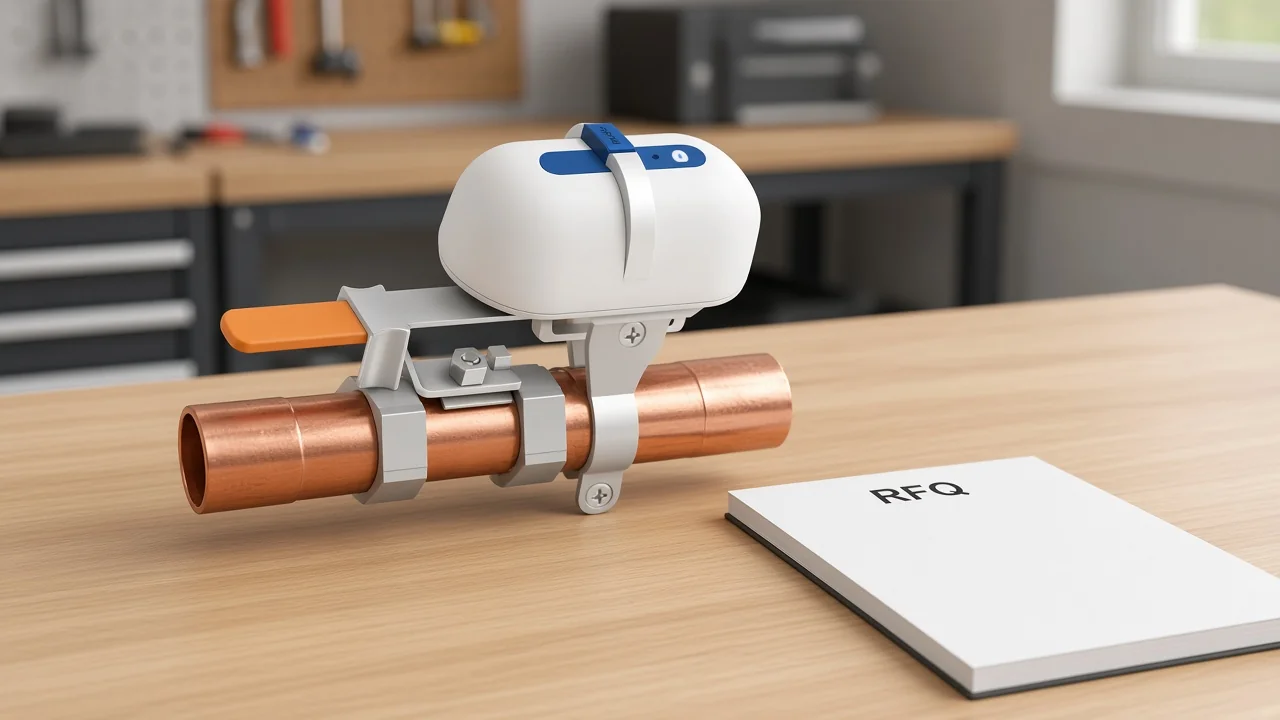
A water leak sensor reports unwanted water at a sensing surface and raises an alert. Encyclopedia wording is blunt: a water detector relies on the electrical conductivity of water to drop resistance across two contacts, then sounds an alarm and can signal onward.
That mechanism is probe / continuity sensing: conductive contacts close when water bridges them.
Buyers also say zigbee water leak sensor, zigbee flood sensor, or water leak sensor zigbee for the same shopping class. The sensing job is wet or dry at a puck, cable, or probe. The radio comes second.
That measure-and-report job is what buyers mean when they write zigbee water sensor in a laundry-room, water-heater, or under-sink monitoring enquiry. Zigbee is how the wet/dry event travels. It is not the sensing job itself.
The general water leak sensor noun on this site already lives on the water leak sensor clarification. Use that page when the buyer needs the class definition without a Zigbee radio qualifier. Use this page when the buyer named Zigbee and the quote still has to face an empty dedicated sensor shelf.
Nothing in that sentence creates a dedicated Zigbee water/leak sensor SKU on this catalog. Channel staff still read the page they are about to quote.
Zigbee is the radio path, not the moisture job. A device that uses a Zigbee radio for wet/dry reports still joins a Zigbee hub / coordinator, gateway, or bridge.
Independent Zigbee matrices put the same rule in plain words for wet/dry reporters: the radio joins a Zigbee hub, not the home Wi-Fi access point alone. Encyclopedia and industry Zigbee overviews describe that stack as a low-power mesh used by many battery sensors in homes and buildings.
Battery leak sensors are often end devices that sleep between reports. That behavior is useful under sinks and beside heaters. It also means the puck is usually not a powered mesh extender, and it is not a USB Zigbee dongle.
From the field: Hub users shopping Zigbee leak sensors stress that none of these devices should be trusted without a periodic wet test — place the unit on a damp paper towel and confirm it reports wet — and several distrust driver battery-percentage readings as a substitute for that check (Hubitat leak-sensor recommendations).
Treat that Hubitat note as buyer language about field testing. It is not a printed MOES water-sensor datasheet, and it is not a claim that this catalog sells the third-party models named in that thread.
If the buyer only needs a Zigbee bridge for other devices, send a hub page and keep the words water sensor off that line item.
A shut-off valve is a motorized closer on a pipe. It turns after a leak signal, a schedule, or an app command.
A water sensor reports wet or dry. Those are different quote objects.
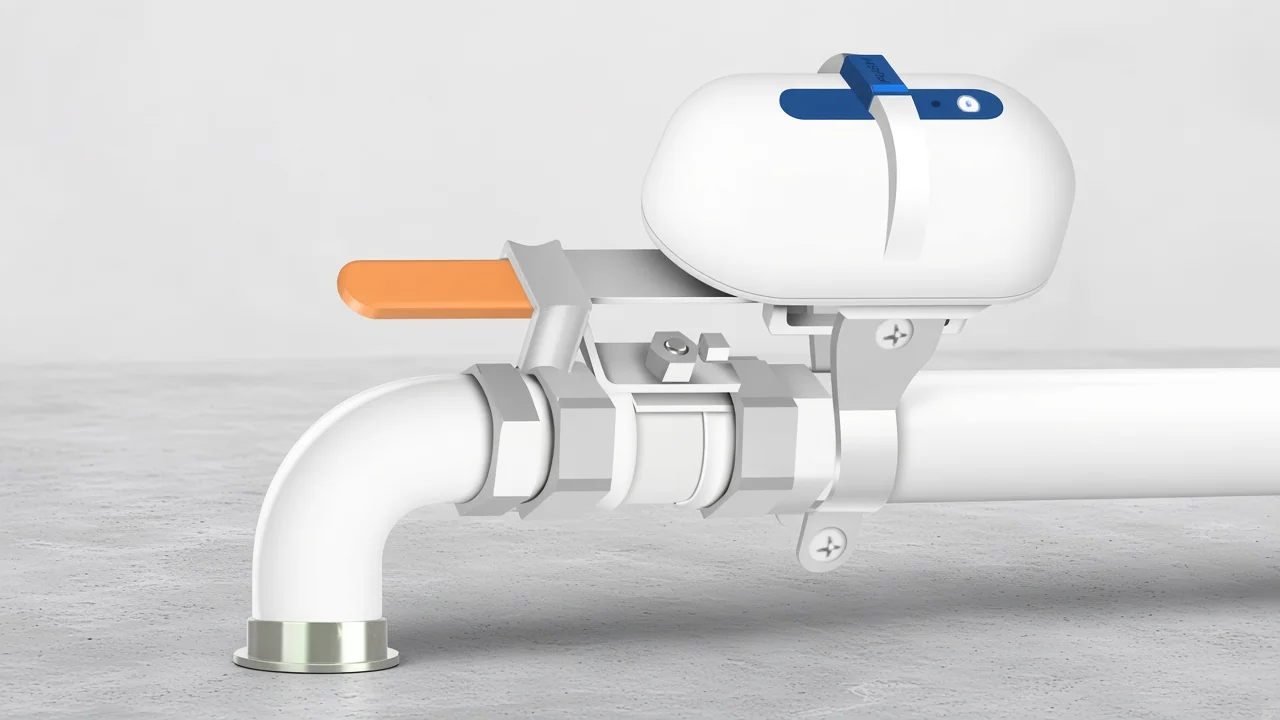
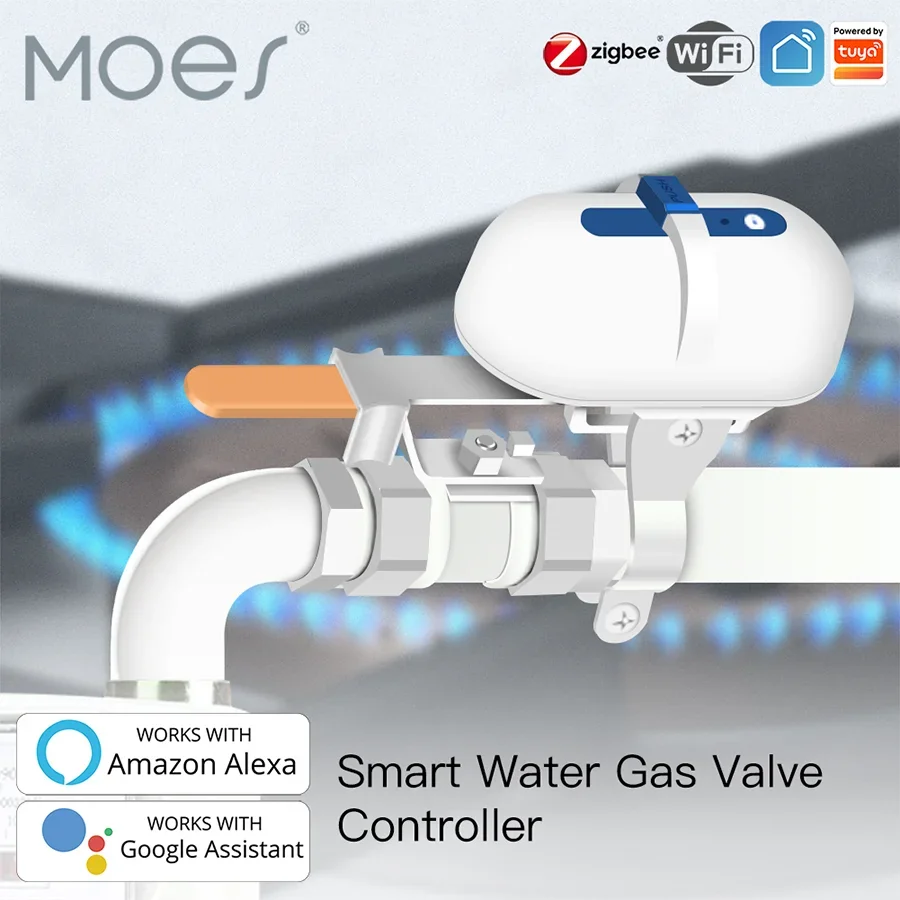
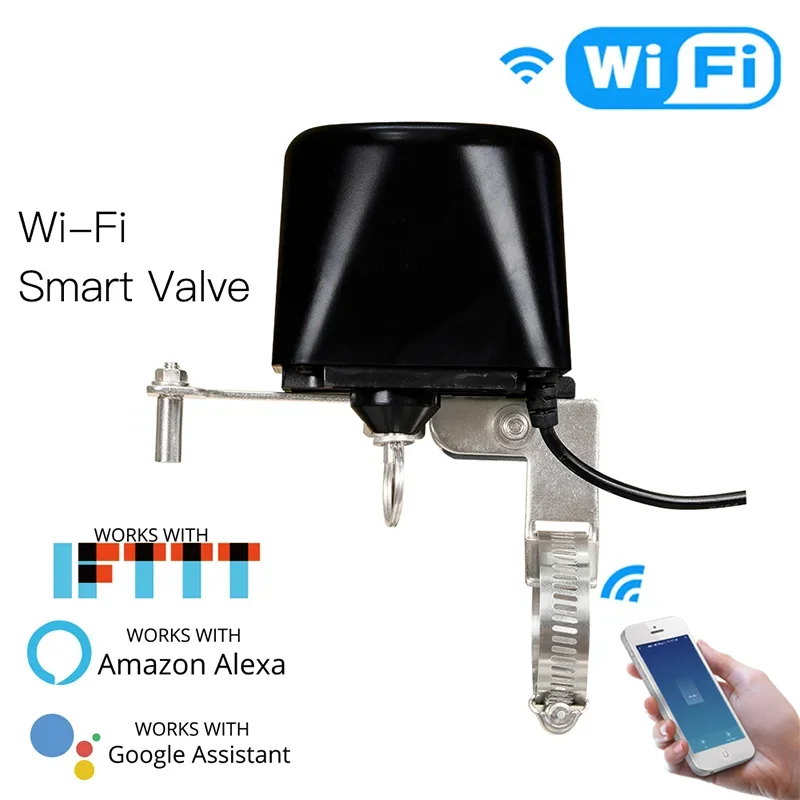
On this catalog, the WiFi water/gas pipeline auto shut-off valve controller page prints two protocol options and a leakage-linkage sentence: the valve can link with smart water sensors, then shut off when leakage is detected and push an app alarm. That sentence names a separate sensor path. It does not turn the valve page into a Zigbee water sensor SKU.
The water sensor shut off valve clarification already owns the actuator noun. Use that page when the buyer’s real job is closing the pipe. Use this page when the buyer’s real job is a Zigbee moisture reporter and you need the catalog boundary.
Do not rebrand a shut-off valve as a water sensor because the search string contained the word water. The valve stays a valve.
This catalog has no dedicated Zigbee water, leak, or flood sensor SKU on the product searches used for this article. Adjacent live pages keep their printed jobs.
| Search or page | What actually prints | Why it is not a Zigbee water sensor |
|---|---|---|
Product search water sensor / water leak / flood sensor |
Shut-off valve 1732, empty flood results, unrelated hits | No dedicated leak/flood puck page |
Product search leak sensor |
Gas leak sensor 1777 plus valve 1732 | Gas hazard or actuator — not a water puck |
Product search zigbee water |
Valve 1732 plus thermostats titled for water boiler loads | Still no dedicated water/leak sensor |
| WiFi water/gas pipeline auto shut-off valve (1732) | Motorized valve controller; may link with separate water sensors | Actuator, not a moisture reporter SKU |
| WiFi smart water/gas valve (1747) | WiFi valve controller for water or gas | Another actuator page |
| Gas leak smart sensor (1777) | Zigbee natural-gas leak sensor | Combustible-gas class, not water |
| ZigBee 3.0 gateway hub (1863) | Hub / bridge for ZigBee products | Bridge only |
A gas leak sensor reports a combustible-gas hazard. It is not a floor-water reporter because the email said “leak.” Keep the Zigbee gas sensor clarification for that class cut. Do not invent LEL, ppm, or sound-pressure figures onto a missing water SKU.
Start with the job words, not the first search hit.
Ask whether the buyer wants wet/dry moisture reporting for a floor or appliance zone, pipe shutoff after a leak signal, combustible-gas hazard detection, or only a Zigbee hub for other devices.
Then open the live page that matches that job. If the catalogue has no dedicated Zigbee water/leak sensor for the first job, say so in the quote notes instead of renaming a valve or a gas detector.
| Quote field | Ask for | Do not invent |
|---|---|---|
| Sensing job | Wet/dry moisture report vs pipe shutoff vs gas hazard | Relabeling a valve or gas page as a water sensor |
| Radio | Zigbee hub dependency only when the printed page is Zigbee | A Zigbee water-sensor radio on a missing SKU |
| Form factor | Puck / cable / probe as the buyer actually needs | IP ratings or probe millimetres copied from another brand |
| Alert path | Local siren vs hub event vs valve linkage as separate objects | Efficiency %, dB, C-wire, or surge claims |
| Model | Exact model string from a live product page | A fictional Zigbee water/leak sensor SKU |
For sensing-path mechanics this site already published — dry gap, moisture path, event leaving the probe — send the buyer once to the how a water sensor works clarification. Do not paste that path article into this Zigbee-qualified clarification.
For the general water leak sensor noun without a Zigbee radio fight, send the buyer once to the water leak sensor clarification.
This catalog has no dedicated Zigbee water/leak/flood sensor SKU. Hand off only when the enquiry matches a printed adjacent job.
When the buyer confirms pipe shutoff — close the line after a leak signal, schedule, or app command — send a live valve page such as the WiFi water/gas pipeline auto shut-off valve controller. Say it is an actuator. Do not call it a Zigbee water sensor.
When the buyer confirms combustible or natural-gas hazard detection, send the live gas leak sensor page and keep the gas clarification. Keep water language off that line item.
When the buyer only needs a Zigbee bridge for other Zigbee devices, send a hub page. Keep “water sensor” out of the SKU name on that line.
A coordinator who pastes “zigbee water sensor” into a line item should replace that phrase with the model that is actually on the PDF. If the model is missing, say so in the quote notes. That is a cleaner quote than a renamed shut-off valve.
It is a moisture detector that reports wet or dry over Zigbee through a hub. It alerts; it does not close a pipe by itself. On this catalog there is no dedicated product page for that class.
Yes. A Zigbee radio pairs with a Zigbee hub or coordinator, not with the home Wi-Fi access point by itself. If the buyer only needs the bridge hardware, quote a hub page and keep water-sensor wording off that line.
No. The sensor reports water. The shut-off valve closes the pipe after a signal.
On this catalog, water-sensor search often returns valve pages that may link with separate sensors — those pages stay actuators.
No. A Zigbee gas leak sensor watches a combustible-gas hazard. A water sensor watches unwanted liquid at a floor or appliance zone.
Keep those classes on their own pages.
Water bridges conductive contacts and the electronics treat the path as closed, then raise an alert or send a radio event. Geometry matters: water that never reaches the contacts is not seen. Detailed sensing-path wording on this site lives on the how a water sensor works clarification.
Name the real job — moisture report, pipe shutoff, gas hazard, or hub bridge — then quote the live page that matches that job. If the moisture-report SKU is missing, say so in the quote notes instead of inventing a Zigbee water-sensor model number.
On the water leak sensor clarification. This page only settles the Zigbee-qualified buyer search against the empty dedicated shelf.


OTHER SMART DEVICES
Jun 13,2026
OTHER SMART DEVICES
Jun 12,2026
TUYA SMART HOME PRODUCTS
Jun 12,2026
 +86 137 3639 3028