

by NOVA

Oct 26, 2026
A zigbee dongle is a USB Zigbee radio stick: buyers name it when a host PC, SBC, or NAS needs its own Zigbee radio — usually as the network’s Zigbee coordinator.
On this catalog, product search for dongle, usb coordinator, zigbee dongle, and usb stick returns nothing. There is no USB coordinator stick faceplate to quote.
The sections below define the buyer job, map it to the Zigbee coordinator role, separate a bare USB radio plus host software from a hub appliance, show the empty search result, keep hub and gateway pages in their printed jobs, and hand the enquiry only to live pages that match.
The smart modules hub stays as orientation. This page does not rewrite what is a Zigbee hub, what is a Zigbee device, or pick your Zigbee radio type.
It only settles the dongle name against the live shelf. For a broader hub noun outside Zigbee-only cartons, see what is a smart home hub once.
A Zigbee dongle is the name many buyers use when they want a small USB radio that plugs into a Host PC / SBC so their automation host can talk to Zigbee devices.
In plain language, they are asking for a Zigbee USB stick that gives the computer a radio — not a wall sensor, and not necessarily a boxed hub with its own app.
Zigbee is built as a low-power Mesh network stack. Every Mesh network needs exactly one Zigbee coordinator. Open-stack guides often show that coordinator as a USB stick on the host.
That qualitative Mesh network idea is the job behind the word dongle. Retail listings sell the same job as a “Zigbee USB stick,” “USB coordinator,” or brand-named stick carton.
Channel staff still have to read what the buyer wants done: add a host-side radio, buy a branded stick they saw online, or add a Zigbee hub / gateway appliance because Zigbee devices will not join at all.
If the email only says “add a Zigbee dongle,” start with the host-radio job. Procurement teams often mix three asks in one sentence.
A host-side radio is a USB coordinator stick conversation. A branded stick carton is the same product class in the market. Missing joins with no Zigbee network on site may be a hub appliance conversation instead.
Zigbee networking documentation defines three device types: coordinator, router, and end device.
The Zigbee coordinator forms one network. It selects channel and network identity, stays powered, and sits at the root of that Mesh network.
A Zigbee router / end device pair covers the other two roles. A Zigbee router joins an existing network and relays traffic. A Zigbee end device can send and receive, but it does not act as a messenger for neighbors.
Buyer language still says “dongle.” That word is a USB product shape. When the stick is sold or flashed as a coordinator, it maps to the Zigbee coordinator role — not a fourth type in the specification.
Independent Zigbee stack documentation uses a USB stick as the everyday example of the coordinator on a host. That is an education example. It is not a printed SKU on this catalog.
A Zigbee dongle enquiry is therefore often a coordinator-path enquiry. Ask whether the buyer already runs a host stack that expects a USB radio, or whether they want a standalone hub carton that carries its own app path.
When staff need the role vocabulary in full, use the Zigbee device roles article once and return here for the dongle noun. When they need radio-type classification language, use the Zigbee radio-type guide once.
A bare Zigbee USB stick does almost nothing on its own. It needs Host PC / SBC software to turn radio packets into usable control. Independent education draws the same cut: the dongle is the radio; the host is the brain.
A Zigbee hub / gateway appliance is a different carton. It bundles a Zigbee radio with its own setup path — typically an app, local linkage, or vendor control center — so the buyer is not wiring a USB stick into a DIY server.
Those two shapes can both sit in the Zigbee coordinator role for their own Mesh network. They are not interchangeable line items on a packing list.
From the field: Hubitat users discussing a USB “Zigbee dongle” treat it as a stick that can run as a coordinator, and some flash the same stick class to router firmware so it can join an existing hub mesh as a repeater instead (Hubitat Sonoff Zigbee USB dongle thread).
Treat that thread as buyer language about stick roles and reflashing. It is buyer language, not a printed MOES dongle datasheet, and it does not put a competitor stick on this shelf.
For RFQ writing, ask which shape the buyer wants: a USB radio for a host they already run, or a hub appliance with a printed app path.
On this catalog, neither question creates a dongle line item by itself. The second question may still point at a printed hub or gateway when that page exists and the enquiry matches its printed job.
Retail pages sometimes print chipset names and transmit-power numbers next to “Zigbee Dongle” titles. Keep those competitor numbers out of the channel reply unless the live faceplate you attach prints the same values.
This catalog has no dedicated Zigbee USB dongle product on the 2026-10-26 product searches used here.
Product search for dongle returns empty. Product search for usb coordinator returns empty.
Product search for zigbee dongle returns empty. Product search for usb stick returns empty.
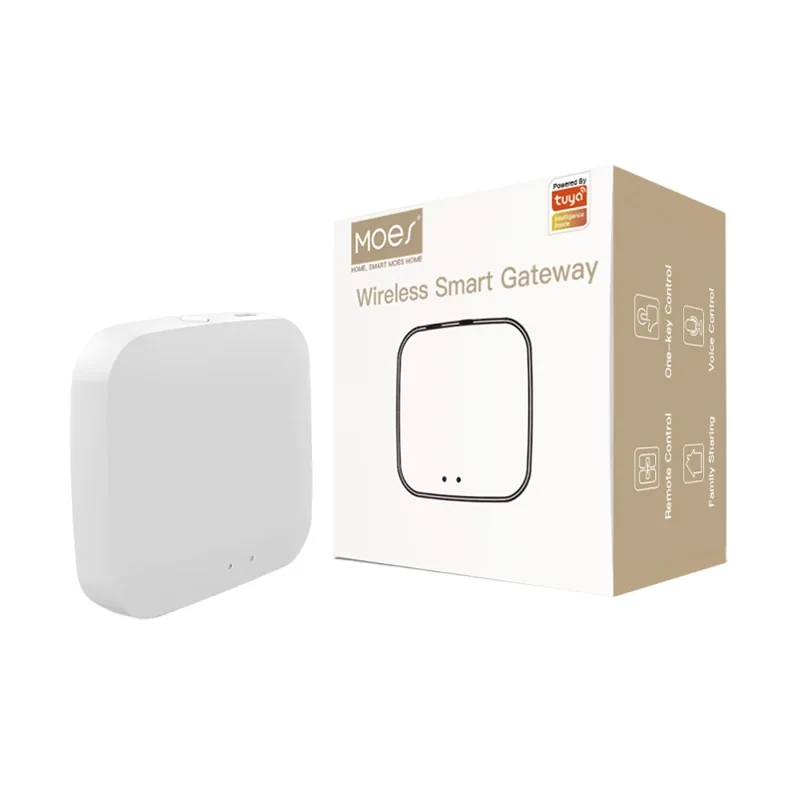
The search results below are the catalog fact for the channel reply.
| Search or page | What actually prints | Catalog reading |
|---|---|---|
Product search dongle |
Empty | No USB dongle page to quote |
Product search usb coordinator / zigbee dongle / usb stick |
Empty | No coordinator-stick faceplate on this shelf |
Product search zigbee stick |
Hits a wall push-button switch page, not a USB radio | Do not rebrand that switch as a dongle |
| Zigbee hub / gateway searches | Live hub and gateway pages | Those pages print hub/gateway jobs |
Keep the empty result visible in the reply. Offer the next honest page only after the job is restated in plain words.
If a buyer forwards a screenshot of a third-party “Zigbee USB Dongle” carton, treat that as market context for a host-radio stick class. It does not create a matching line on this catalog.
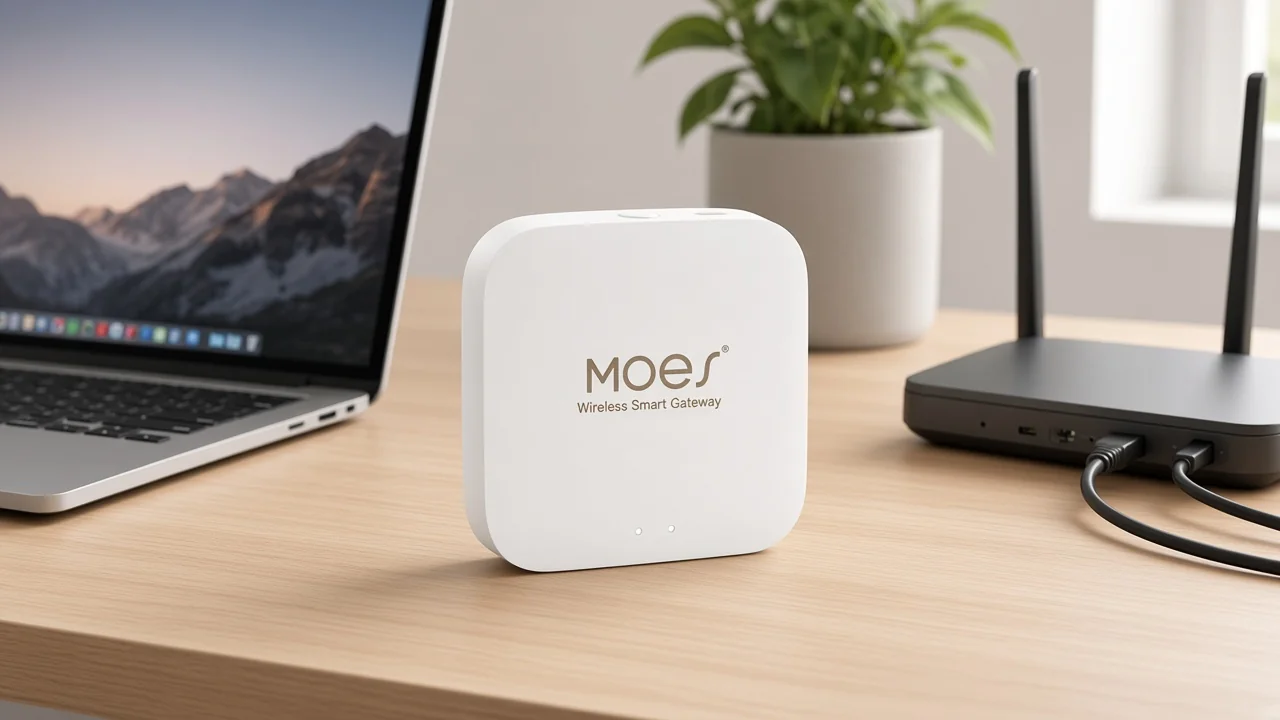
Adjacent live pages keep their printed jobs. The ZHUB-W / multi-mode gateway pair are hub-path appliances.
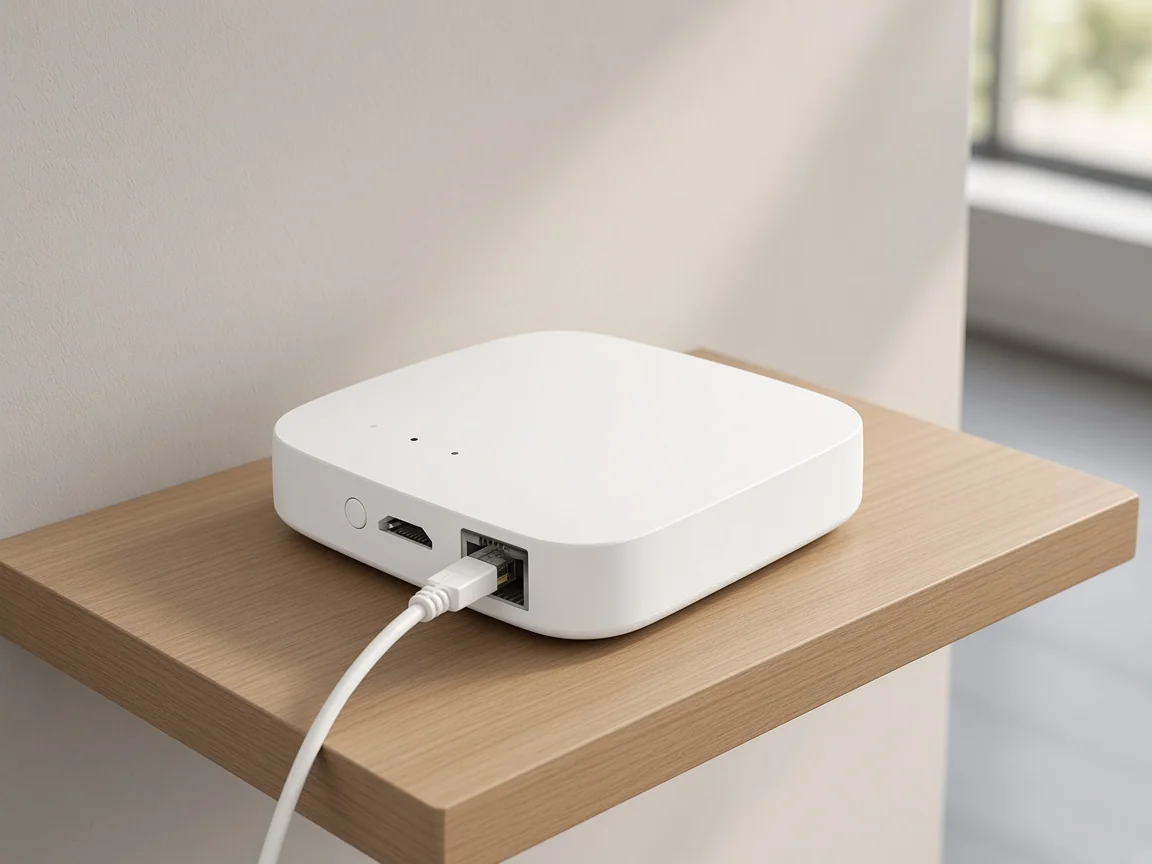
Use the live pages below as hub faceplates only.
| Live page | What the page prints | Catalog reading |
|---|---|---|
| ZigBee 3.0 wireless smart gateway hub (ZHUB-W) | Model ZHUB-W; Tuya ZigBee 3.0 hub/bridge; 5V 2A; Micro USB DC5V; ZigBee 802.15.4; 2.412–2.484 GHz; must work in the 2.4 GHz Wi-Fi band for the printed setup path | Zigbee hub / gateway appliance on the ZHUB-W / multi-mode gateway shelf — not a USB dongle |
| Wired multi-mode smart home gateway | Wired Smart Gateway; 5V 1A; Wi-Fi 2.4 GHz & ZigBee & BLE & Mesh; 95×95×22 mm; multi-mode sub-device control | ZHUB-W / multi-mode gateway faceplate for multi-protocol hub work — not a host USB stick |
ZHUB-W is positioned as a bridge and control center for Tuya ZigBee 3.0 products. That is the hub path already clarified in the Zigbee hub article. Linking that article once is enough.
Micro USB on the ZHUB-W page is a charge/power type for that hub carton. It is not proof that the product is a Host PC / SBC USB coordinator stick.
The wired multi-mode gateway prints ZigBee among its protocol set and supports Smart Life app control of connected devices. Capacity marketing on that page is printed marketing. It is not a USB-dongle compatibility list for open-stack hosts.
Hubs and DIY host sticks also fail differently in the field. A missing Zigbee hub / gateway appliance means the boxed app path is missing. A missing USB radio on a DIY host means the host stack has no Zigbee interface — a different quote path.
Do not answer a Zigbee dongle RFQ by renaming a hub PDF as a “dongle datasheet.”
There is no dongle page. The honest handoff depends on what the enquiry is actually asking for.
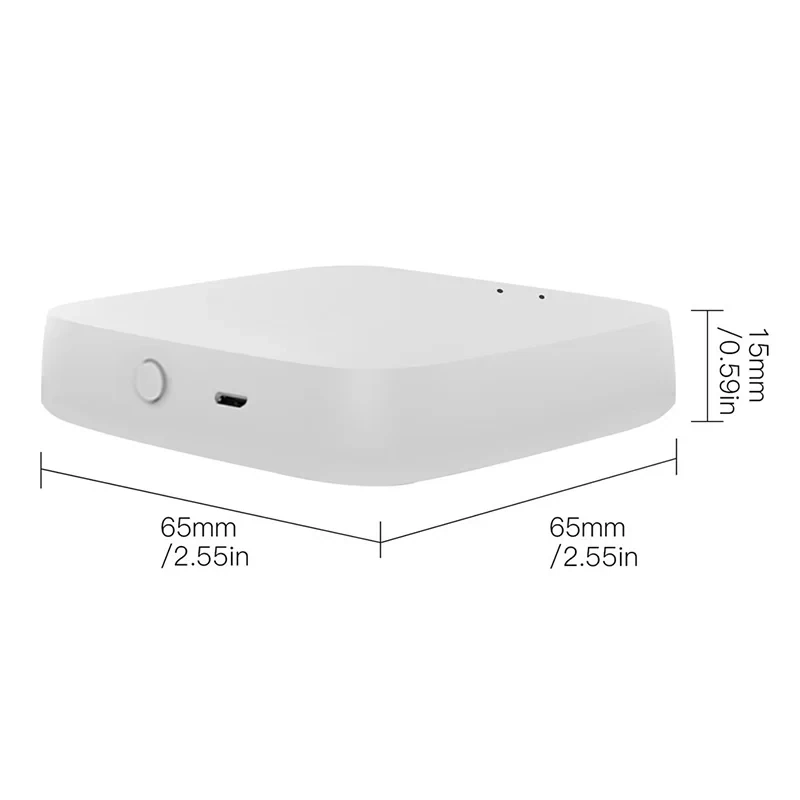
If the site needs a Zigbee hub / gateway appliance path — app pairing, Tuya ZigBee 3.0 join, a boxed control center — open the wireless ZigBee hub page or the wired multi-mode gateway page. Stick to model, power, protocol, and setup wording printed on that live page.
If the buyer already runs a DIY host and only wants “a USB Zigbee stick,” say clearly that this catalog does not list a Zigbee USB dongle. Do not substitute a hub PDF under a dongle title.
If the buyer names a competitor stick screenshot, acknowledge the host-radio class in the market, state the empty search on this shelf, and ask which printed job they want quoted instead.
Channel checklist for the first reply:
Example reply when the buyer already runs a host stack and asks for a Zigbee dongle: restate the empty search, and ask whether a printed hub appliance is acceptable for their project instead of a DIY USB stick.
Example reply when purchasing pastes a competitor USB stick screenshot into a MOES RFQ: acknowledge the USB coordinator stick class in the market, state the empty search on this shelf, and offer ZHUB-W or the multi-mode gateway only when the enquiry matches a printed hub job.
That keeps the Zigbee dongle noun usable for buyers while the shelf answers with live ZHUB-W / multi-mode gateway faceplates.
A Zigbee dongle is buyer language for a USB Zigbee radio stick that plugs into a Host PC / SBC. In many open-stack setups that stick is the Zigbee coordinator for one Mesh network. Buyers use the word when they want a host-side radio rather than a boxed hub carton.
No. A dongle is a USB radio that needs host software. A Zigbee hub / gateway appliance bundles a radio with its own app or control path.
Both can sit in a coordinator role for their own network, but they are different product shapes on a packing list.
Often yes in the market: sticks are commonly sold or flashed as the Zigbee coordinator. The specification still only names coordinator, router, and end device. “Dongle” is the USB form factor, not a fourth spec type.
If the dongle is the coordinator for a host stack, that stack is already forming the Zigbee network — you do not also need a second coordinator for the same Mesh network. If the project wants a boxed app path instead of a DIY host, quote a hub appliance, not a fictional stick on this catalog.
Zigbee USB stick is a synonym for the same USB radio form factor. On this catalog, that search path still has no dedicated stick SKU.
No. Product searches for dongle, usb coordinator, zigbee dongle, and usb stick returned empty on the checks used for this article. A zigbee stick search that hits a wall push-button page is not a USB coordinator stick.
No. ZHUB-W is a ZigBee 3.0 wireless hub appliance. Live hub and gateway pages on this site print hub jobs.
Micro USB on that page is a power/charge type for the hub carton, not a Host PC / SBC stick claim.
Quote a printed hub or gateway page when the enquiry needs a Zigbee hub / gateway appliance path. Say the empty dongle search out loud so purchasing does not expect a USB coordinator stick on the packing list.


OTHER SMART DEVICES
Jun 13,2026
OTHER SMART DEVICES
Jun 12,2026
TUYA SMART HOME PRODUCTS
Jun 12,2026
 +86 137 3639 3028