

by NOVA

Oct 25, 2026
A zigbee repeater is a mesh-routing path: an always-on Zigbee node that relays traffic so devices farther from the coordinator can stay on the network.
On this catalog, product search for repeater, extender, and zigbee range extender returns nothing. There is no dedicated repeater faceplate to quote.
The sections below define the buyer job, map it to the Zigbee router role, separate a Dedicated repeater appliance from a Dual-duty mains Zigbee device, show the empty search result, keep hub and gateway pages in their printed jobs, and hand the enquiry only to live pages that match.
The smart modules hub stays as orientation. This page does not rewrite what is a Zigbee device, what is a Zigbee hub, or types of Zigbee devices. It only settles the repeater name against the live shelf.
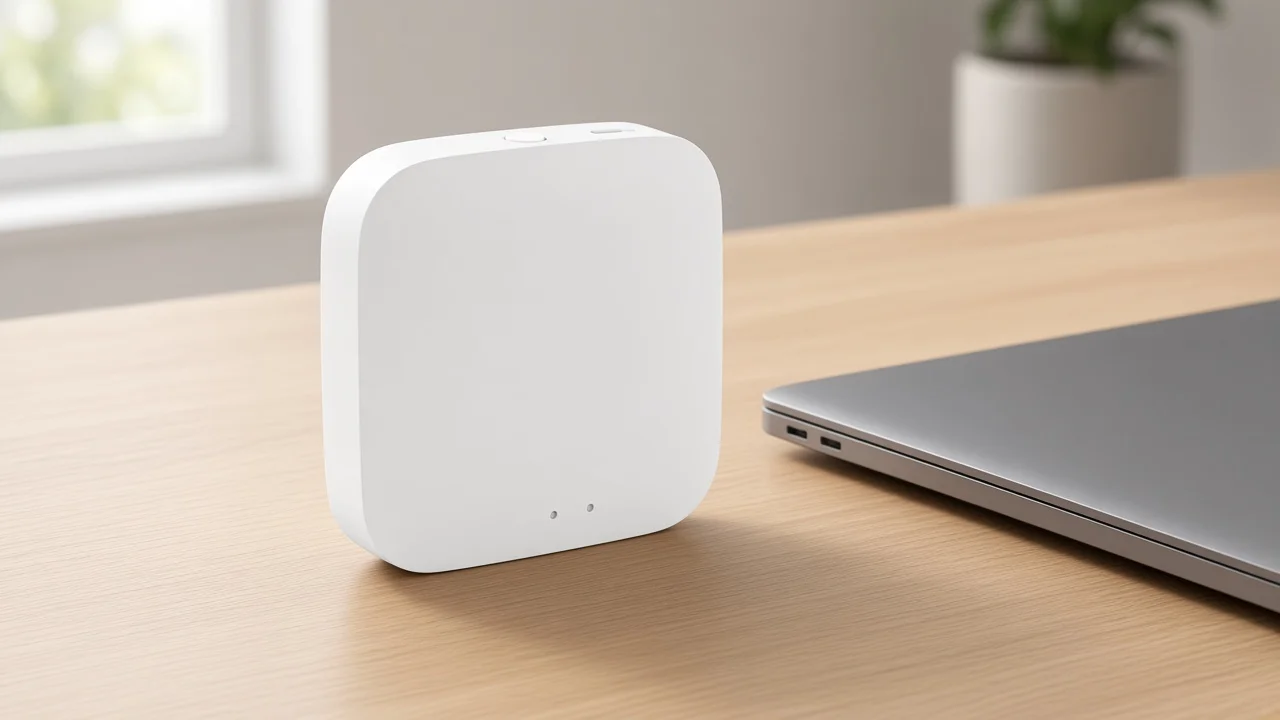
A Zigbee repeater is the name many buyers use when they want another always-on Zigbee node to pass messages for devices that sit too far from the hub, or that keep dropping behind walls and floors.
In plain language, they are asking for a mesh messenger. The messenger hears a distant end device and forwards the packet toward the Zigbee coordinator / hub.
Zigbee is built as a low-power Mesh network stack. Intermediate devices can carry traffic across a personal area network when a single radio hop is not enough.
That qualitative Mesh network idea is the job behind the word repeater. Retail listings often sell the same job as a USB stick or a wall-outlet zigbee range extender.
Channel staff still have to read what the buyer wants done: strengthen mesh routing, or buy a branded extender carton. Those asks are related. They are not automatically the same line item on this catalog.
If the email only says “add a Zigbee repeater,” start with the mesh-routing job. Procurement teams often mix three asks in one sentence.
Coverage on an existing mesh is a router-density conversation. A USB carton is a Dedicated repeater appliance conversation. Missing joins with no coordinator on site is a hub conversation.
Zigbee networking documentation defines three device types: coordinator, router, and end device.
The Zigbee coordinator / hub forms one network. After the network exists, routers join, stay powered, and relay traffic for other nodes.
A Zigbee end device can send and receive. It does not act as a messenger for neighbors. Many battery sensors are a Zigbee end device for that reason: they sleep, and a sleeping radio cannot be a reliable relay.
Buyer language still says “repeater.” That word usually maps to the Zigbee router role — a full-featured node that stays awake and forwards messages.
A Zigbee repeater enquiry is therefore also a hub enquiry. A relay node joins an existing Mesh network. It does not replace the Zigbee coordinator / hub that formed that network.
If the site has no Zigbee network yet, the first printed page to check is a hub or gateway faceplate. Independent technical notes describe the same three-role picture.
Routers buffer traffic for sleepy children and can allow other devices to join. End devices depend on a parent.
When a channel reply confuses “repeater” with “hub,” the buyer may think a USB stick will form a new network by itself. The stick still needs a coordinator somewhere on that mesh.
When staff need the role vocabulary in full, use the Zigbee device roles article once and return here for the repeater noun.
A zigbee range extender is a secondary retail name for a Dedicated repeater appliance whose main marketed job is to relay Zigbee traffic. USB-powered sticks and outlet plugs sold only as extenders sit in that bucket.
A Dual-duty mains Zigbee device is different on the carton even when the mesh job overlaps. Many always-powered Zigbee plugs, wall switches, and similar loads can also route traffic while they do their primary switching job.
Hub documentation treats most mains-powered Zigbee devices as able to repeat signals. It treats battery devices as end devices that do not.
From the field: Hubitat users shopping for a “Zigbee repeater” often conclude that any mains-powered Zigbee device can act as a repeater, and some prefer scattering plugs over buying a dedicated USB stick — while noting that people unplug those outlets when they need the socket (Hubitat Zigbee repeater recommendation).
Treat that thread as buyer language about Dual-duty mains Zigbee device placement and unplug risk. It is buyer language, not a printed MOES extender datasheet.
For RFQ writing, ask which shape the buyer wants: a Dedicated repeater appliance, or more always-on Zigbee loads placed between the hub and the weak area.
On this catalog, neither question creates a repeater line item by itself. The second question may still point at a printed powered device when that page exists and the enquiry matches its printed job.
Retail pages sometimes print long outdoor ranges next to “Zigbee Repeater” titles. Leave those figures off the reply unless the same numbers appear on the live faceplate you are quoting.
Placement language from mesh guides is qualitative: put always-on routers between the weak area and the hub, keep them powered, and give the Mesh network time to settle.
This catalog has no dedicated Zigbee repeater product on the 2026-10-25 product searches used here.
Product search for repeater returns empty. Product search for extender returns empty. Product search for zigbee range extender returns empty.
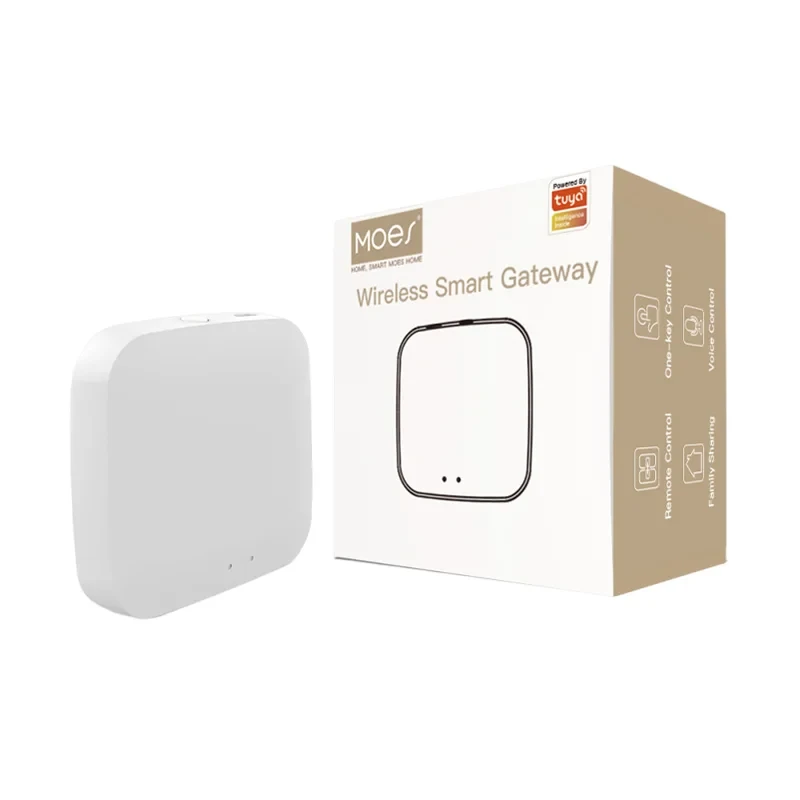
The search results below are the catalog fact for the channel reply.
| Search or page | What actually prints | Catalog reading |
|---|---|---|
Product search repeater |
Empty | No dedicated repeater page to quote |
Product search extender |
Empty | No extender faceplate on this shelf |
Product search range extender / zigbee range extender |
Empty | Secondary entity has no live SKU here |
| Zigbee hub / gateway searches | Live hub and gateway pages | Those pages print coordinator/hub jobs |
Keep the empty result visible in the reply. Offer the next honest page only after the job is restated in plain words.
If a buyer forwards a screenshot of a third-party “Zigbee 3.0 Repeater” carton, treat that as market context for a Dedicated repeater appliance. It does not create a matching line on this catalog.
Adjacent live pages keep their printed jobs. The ZHUB-W / multi-mode gateway pair are coordinator-path appliances.
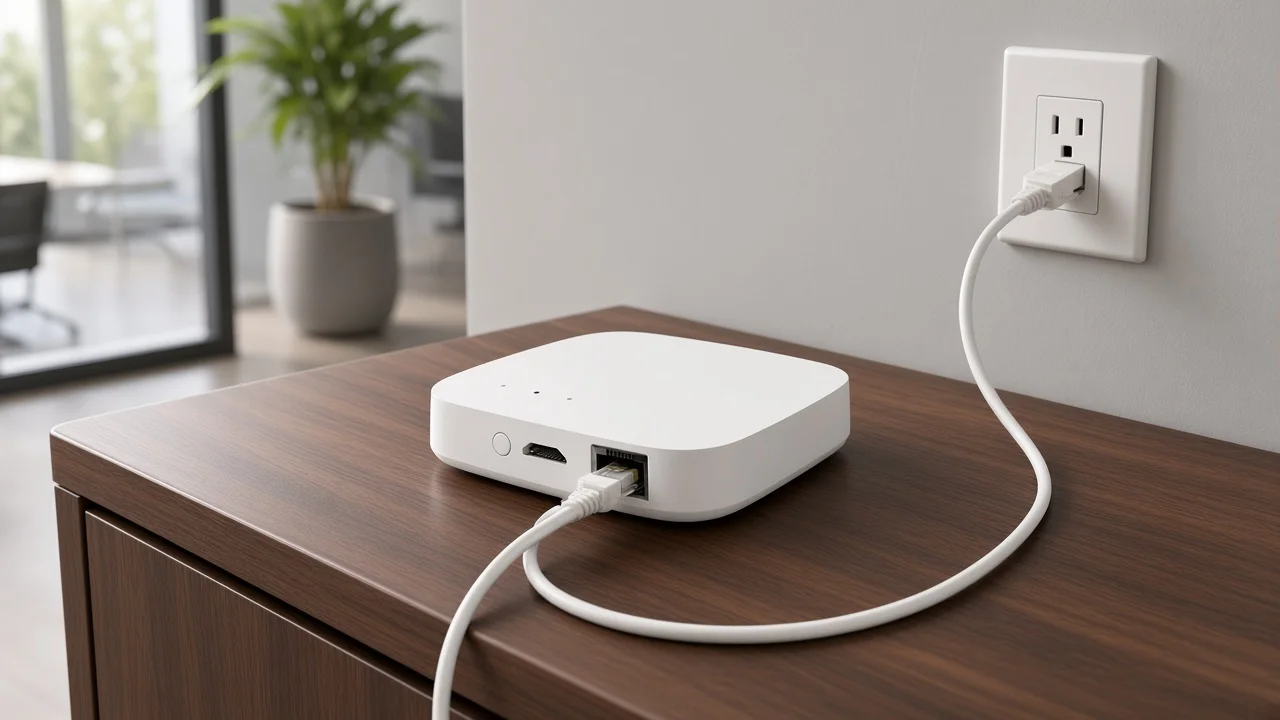
Use the live pages below as hub faceplates only.
| Live page | What the page prints | Catalog reading |
|---|---|---|
| ZigBee 3.0 wireless smart gateway hub (ZHUB-W) | Model ZHUB-W; Tuya ZigBee 3.0 hub/bridge; 5V 2A; Micro USB DC5V; ZigBee 802.15.4; 2.412–2.484 GHz; must work in the 2.4 GHz Wi-Fi band for the printed setup path | Zigbee coordinator / hub appliance on the ZHUB-W / multi-mode gateway shelf |
| Wired multi-mode smart home gateway | Wired Smart Gateway; 5V 1A; Wi-Fi 2.4 GHz & ZigBee & BLE & Mesh; 95×95×22 mm; multi-mode sub-device control | ZHUB-W / multi-mode gateway faceplate for multi-protocol hub work |
ZHUB-W is positioned as a bridge and control center for Tuya ZigBee 3.0 products. That is the hub path already clarified in the Zigbee hub article. Linking that article once is enough.
The wired multi-mode gateway prints ZigBee among its wired-protocol set and supports Smart Life app control of connected devices. Capacity marketing on that page is printed marketing. It is not a mesh-range meter.
Mains-powered Zigbee loads on other pages may strengthen a Mesh network in principle when they stay powered and the stack treats them as routers. If a live module page does not print router or repeater, keep the quote on the printed job.
Hubs and distant end devices also fail differently in the field. A missing Zigbee coordinator / hub means Zigbee devices have nowhere to join. A thin Mesh network with a working hub means joins may succeed near the coordinator while distant rooms stay flaky.
Wi-Fi range extenders are a different radio job. Do not answer a Zigbee repeater RFQ with a Wi-Fi extender datasheet. The Wi-Fi note on the ZHUB-W page is about the printed app/setup path.
There is no repeater page. The honest handoff depends on what the enquiry is actually asking for.
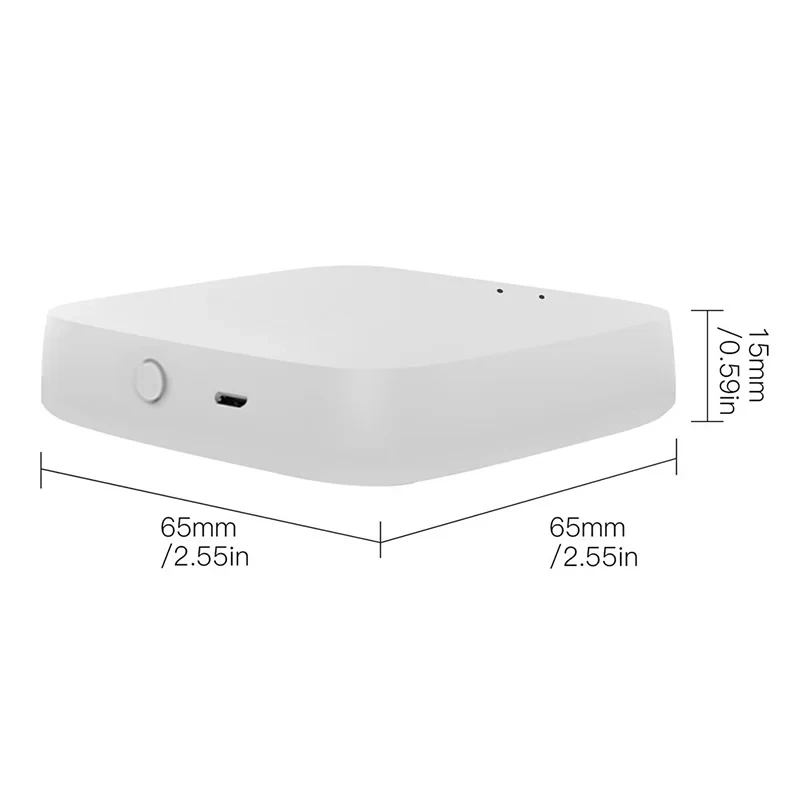
If the site still needs a Zigbee coordinator / hub path — app pairing, Tuya ZigBee 3.0 join, a boxed hub — open the wireless ZigBee hub page or the wired multi-mode gateway page. Quote only printed fields: model, power, protocol lines, and setup notes that appear on that page.
If the buyer already has a hub and only wants “more mesh,” say clearly that this catalog does not list a Dedicated repeater appliance. Do not substitute a hub PDF under a repeater title.
If the buyer names a powered load that also happens to stay on the Mesh network, match the enquiry to that printed product job. Keep the Dual-duty mains Zigbee device discussion as mesh context, not as a relabel of the SKU.
Channel checklist for the first reply:
Example reply when the buyer already has a hub and asks for a Zigbee repeater: restate the empty search, ask whether they want guidance on placing more always-on Zigbee loads, and offer a live powered-device page only if one matches a real load they also need.
Example reply when purchasing pastes a competitor extender screenshot into a MOES RFQ: acknowledge the Dedicated repeater appliance class in the market, state the empty search on this shelf, and ask which printed job they want quoted instead — Zigbee coordinator / hub or another live device class.
That keeps the Zigbee repeater noun usable for buyers while the shelf answers with live ZHUB-W / multi-mode gateway faceplates.
A Zigbee repeater is buyer language for an always-on Zigbee node that relays Mesh network traffic. In specification terms, that job is the Zigbee router role. Buyers use the word when distant rooms drop offline or when they want another powered messenger between end devices and the hub.
The specification defines coordinator, router, and end device. “Repeater” is the common name for the routing/relay job. Channel replies can use either word for the job.
A zigbee range extender is usually a Dedicated repeater appliance sold to do that same router job — often a USB stick or outlet plug. On this catalog it is a secondary search entity with no live SKU.
Yes. A repeater joins an existing Zigbee network. It does not replace the Zigbee coordinator / hub that formed the network.
If no hub is on site yet, quote a hub or gateway faceplate before talking about mesh density.
No. Battery devices are typically a Zigbee end device. They can sleep, and they do not relay traffic for neighbors.
Adding more battery sensors does not strengthen the Mesh network the way always-on routers do.
No. Product searches for repeater, extender, and zigbee range extender returned empty on the checks used for this article.
A Zigbee hub is the Zigbee coordinator / hub appliance. Live hub and gateway pages on this site print hub jobs. A hub can participate in routing after the network exists, but the carton job buyers quote from those pages is still the hub/gateway appliance on the ZHUB-W / multi-mode gateway shelf.
Quote a printed hub or gateway page when the enquiry needs a Zigbee coordinator / hub path, or a printed powered-device page when the enquiry matches that device’s job. Say the empty search out loud so purchasing does not expect a Dedicated repeater appliance on the packing list.


OTHER SMART DEVICES
Jun 13,2026
OTHER SMART DEVICES
Jun 12,2026
TUYA SMART HOME PRODUCTS
Jun 12,2026
 +86 137 3639 3028