

by NOVA

Aug 12, 2026
A pure sine wave inverter discussion should start with a load profile and operating context, not with a universal size or performance promise. Buyers should record steady load, startup behavior, duty cycle, source and storage context, requested evidence, open questions, and review ownership before comparing models.
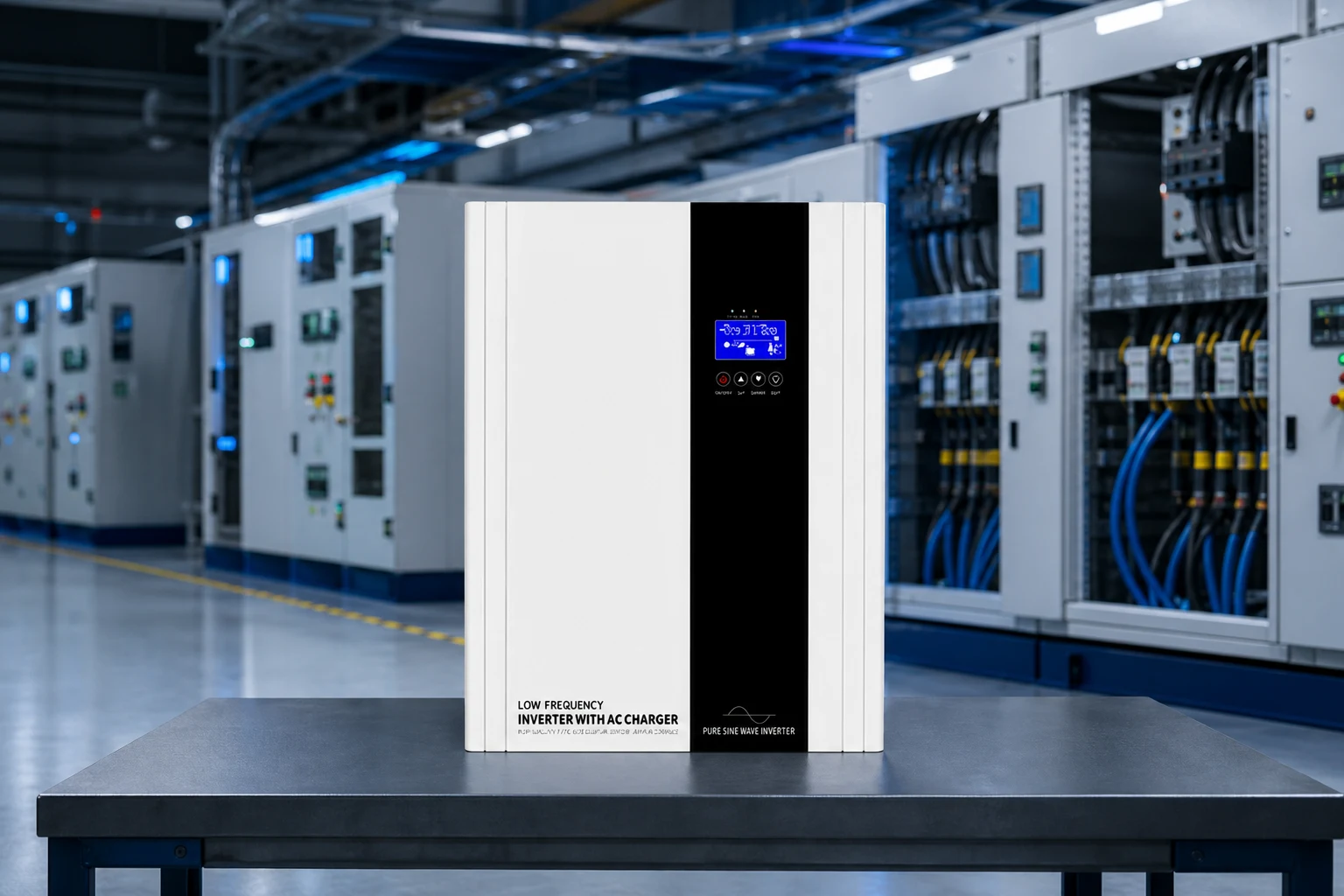
First-party MOES media illustrates an inverter-review context. It does not establish a rating, waveform result, or project fit.
Important: “Pure sine wave” is one request descriptor, not a complete specification. Confirm current model documents for output, ratings, voltage, frequency, storage compatibility, certification, and project conditions before a decision. Department of Energy
The phrase can identify the buyer’s preferred waveform, but it does not describe the equipment, duty cycle, source, storage, or review standard behind the request.
A load record lets the buyer and supplier discuss the same questions without treating a keyword as proof that a model will perform in a specific system.
Begin with the behavior of the loads rather than an assumed inverter size.
| Decision field | Buyer should record | Review owner |
|---|---|---|
| Steady load | Equipment list, operating state, and available measurements | Project lead |
| Startup behavior | Known inrush or startup questions and evidence requested | Technical reviewer |
| Duty cycle | Continuous, intermittent, seasonal, or unknown use | Buyer and installer |
| Waveform question | Why the buyer requests pure sine and which equipment concern is documented | Technical reviewer |
| Open item | Missing load data and named person responsible for closure | Project lead |
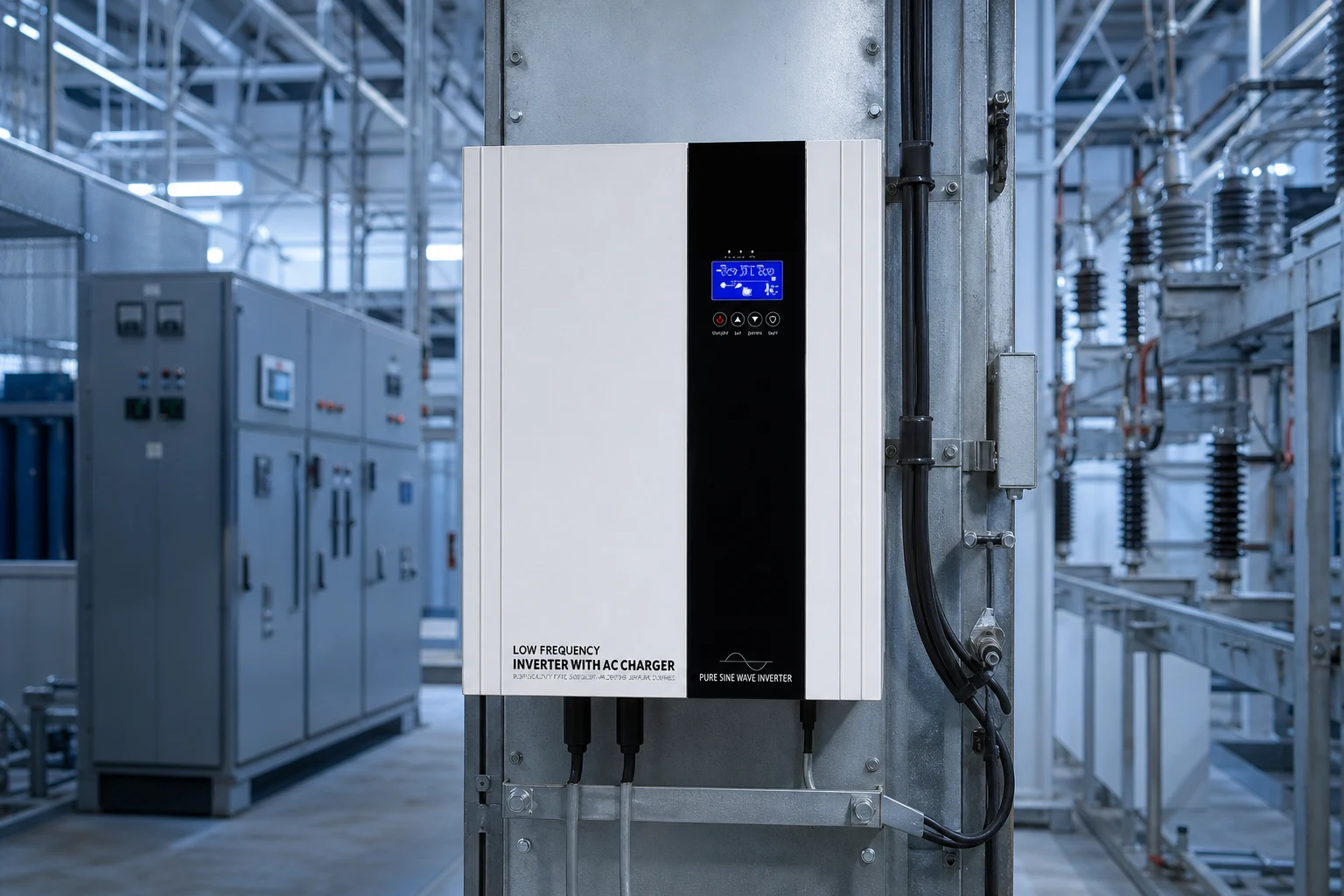
First-party MOES media is used as an evidence-context illustration; it does not establish output performance or ratings.
Do not convert a load label into a sizing conclusion without current documents and qualified review. If startup behavior is unknown, record it as an open item instead of guessing.
Record the source and storage context separately from the load. Note the intended energy source, storage question, operating environment, expected duty cycle, monitoring or transfer questions, and any market or documentation requirement that still needs confirmation.
The buyer can use the low-frequency inverter evidence guide for a document-first conversation. The pure-sine versus modified-sine comparison answers a different category-comparison intent and should not be treated as a model selection result.
Attach the load and operating record to the quote request.
| RFQ input | Buyer should provide or request | Send with quote |
|---|---|---|
| Load profile | Equipment list, steady-load notes, measurements, and unknowns | Yes |
| Startup behavior | Inrush questions, observed behavior, and requested test or document evidence | Yes |
| Operating context | Source, storage, duty cycle, environment, and transfer questions | Yes |
| Model evidence | Current datasheet, manual, labels, and market-information questions | Yes |
| Review ownership | Person responsible for technical and commercial confirmation | Yes |
Use energy-use references to organize the questions; they do not replace an offered-model datasheet or a qualified system review. Department of Energy
After the brief is complete, the MOES pure sine wave inverter category is a bounded navigation point for a model discussion. It is the recommendation here because the buyer still needs to match load and document evidence before any model-specific conclusion.
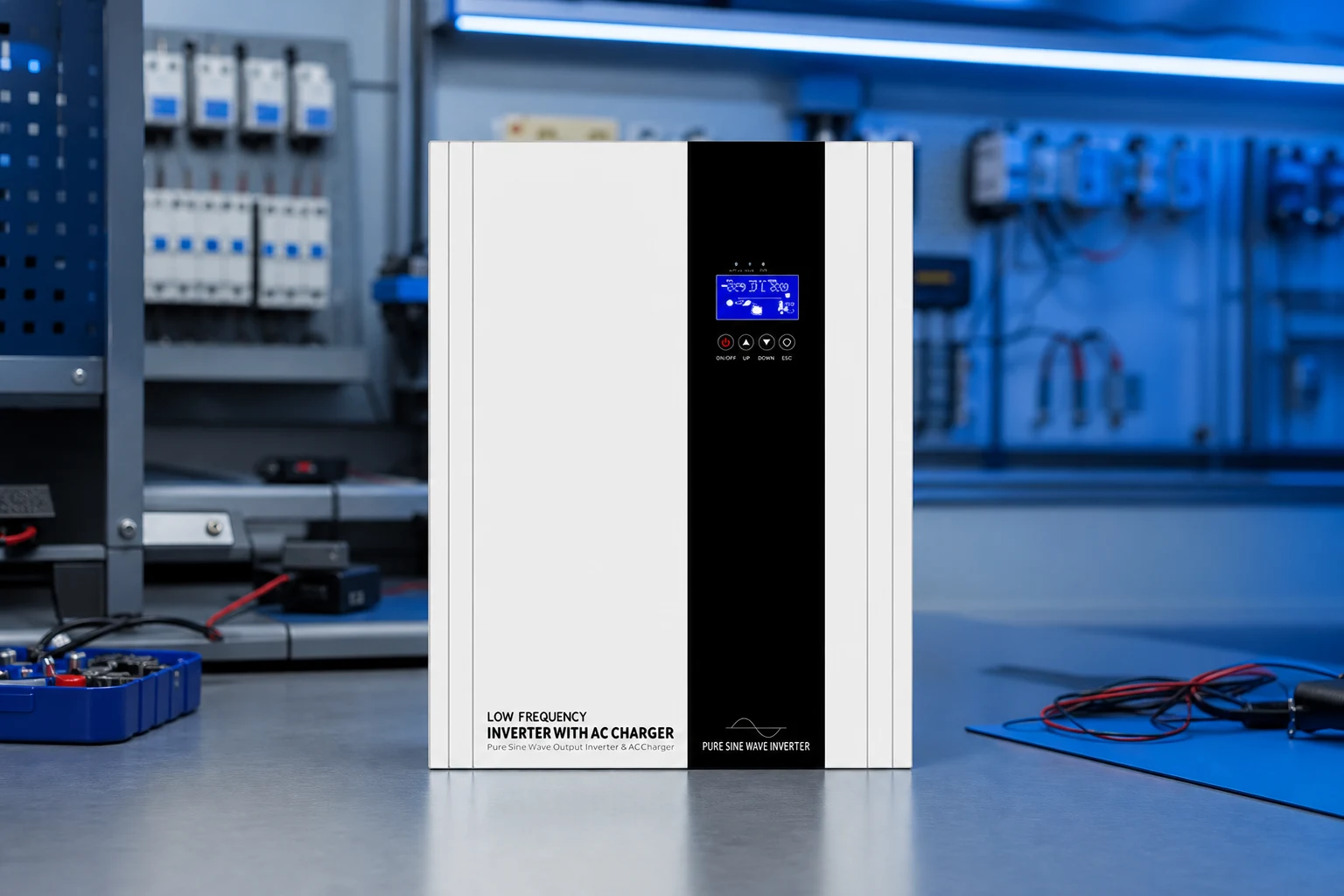
First-party MOES media supports category-level inquiry context. Confirm the exact model, documents, and project conditions separately.
Assign an owner to every unresolved input before requesting a final comparison. Route the load-profile brief through MOES Contact Us or the OEM/ODM inquiry page with:
This process keeps a pure-sine request useful for procurement without turning a category label into an unsupported rating or compatibility promise.
It should include the equipment list, steady and startup behavior, duty cycle, source and storage context, waveform questions, evidence requests, open items, and review ownership.
No. It identifies one buyer requirement, but the right discussion still depends on current model documents, load behavior, operating context, and qualified review.
Record steady load, observed or unknown startup behavior, duty cycle, equipment sensitivity questions, and any measurement or evidence request needed to close the review.
Include source, storage questions, environment, duty cycle, transfer or monitoring context, market-information requirements, and the owner of each open item.
No. A category page is a navigation point. It does not replace a current datasheet, test evidence, or a qualified review of the proposed system.
The buyer should name the technical reviewer and commercial owner. A supplier conversation can clarify documents, but it should not silently replace the project’s approval roles.


OTHER SMART DEVICES
Jun 13,2026
OTHER SMART DEVICES
Jun 12,2026
TUYA SMART HOME PRODUCTS
Jun 12,2026
 +86 137 3639 3028