

by NOVA

Aug 13, 2026
A request for a solar inverter with built in breaker should be treated as a verification question, not a product conclusion. Before comparing quotations, buyers should define the requested function, product boundary, documentation, system context, unresolved points, and the person who confirms the final arrangement.
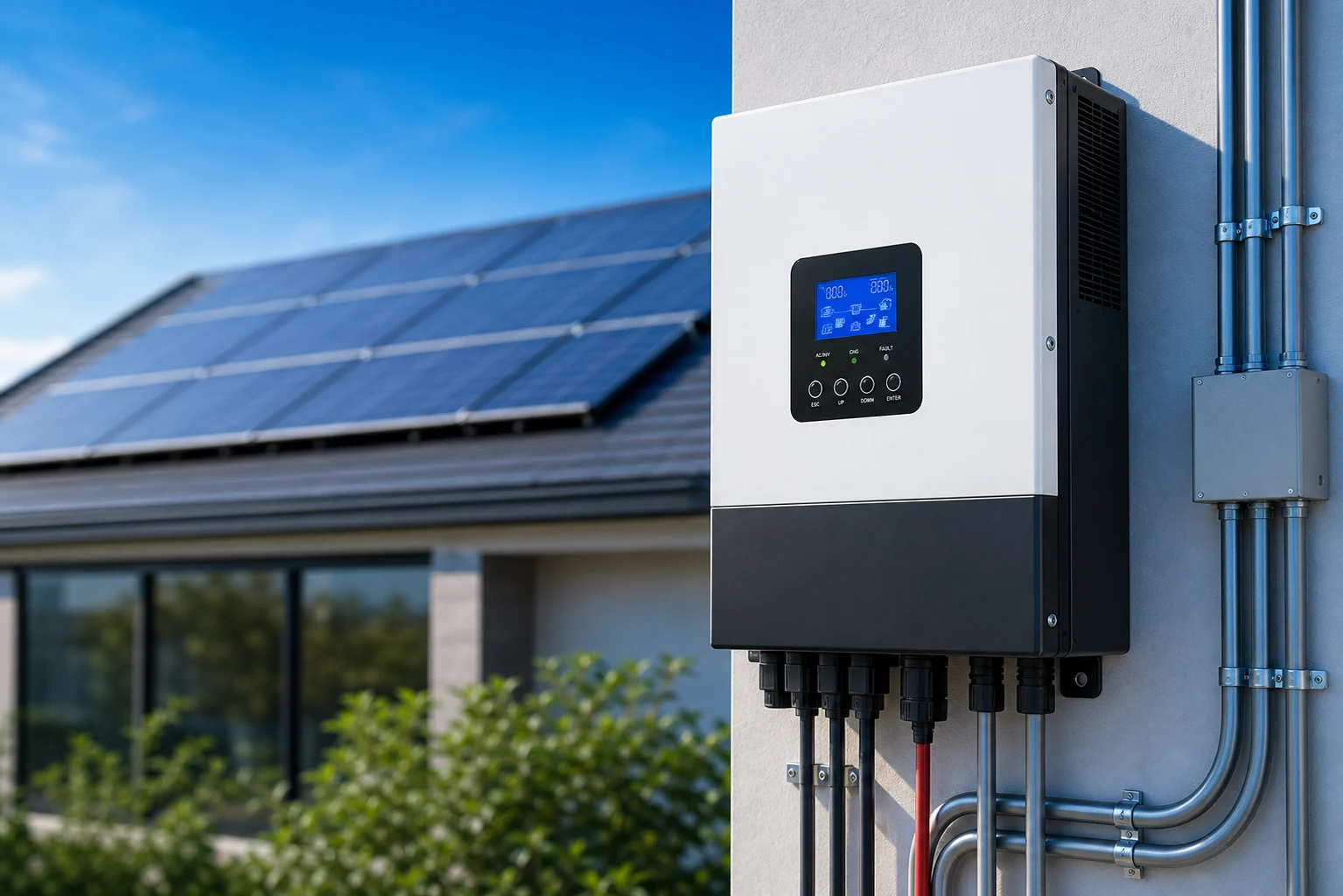
First-party MOES media illustrates a solar inverter inquiry context. It does not show or prove an integrated breaker, a protection architecture, or a project fit.
Important: The phrase “built in breaker” does not confirm an internal device, rating, trip behavior, coordination, certification, installation arrangement, or system approval. Confirm current offered-model documents and qualified project review before a decision. IEC terminology resource
The buyer’s phrase may refer to a desired function, a component location, a document requirement, or a question about surrounding equipment. It does not identify a verified feature by itself.
Writing the question in a controlled brief helps the distributor, installer, and supplier determine which evidence is needed next. That approach prevents a shorthand request from becoming an unsupported product claim.
Ask what the buyer needs the requested feature to clarify, without presuming the answer.
| Verification field | Buyer should record or ask | Review owner |
|---|---|---|
| Requested function | What question the buyer wants the protection discussion to answer | Buyer |
| Product boundary | Whether the request concerns an inverter, external equipment, or an unconfirmed system element | Technical reviewer |
| Evidence request | Current datasheet, manual, labels, drawings, or written feature confirmation | Buyer and supplier |
| System context | Source, load, storage, transfer, and open project questions | Project lead |
| Open item | Missing proof and the person responsible for closure | Project lead |
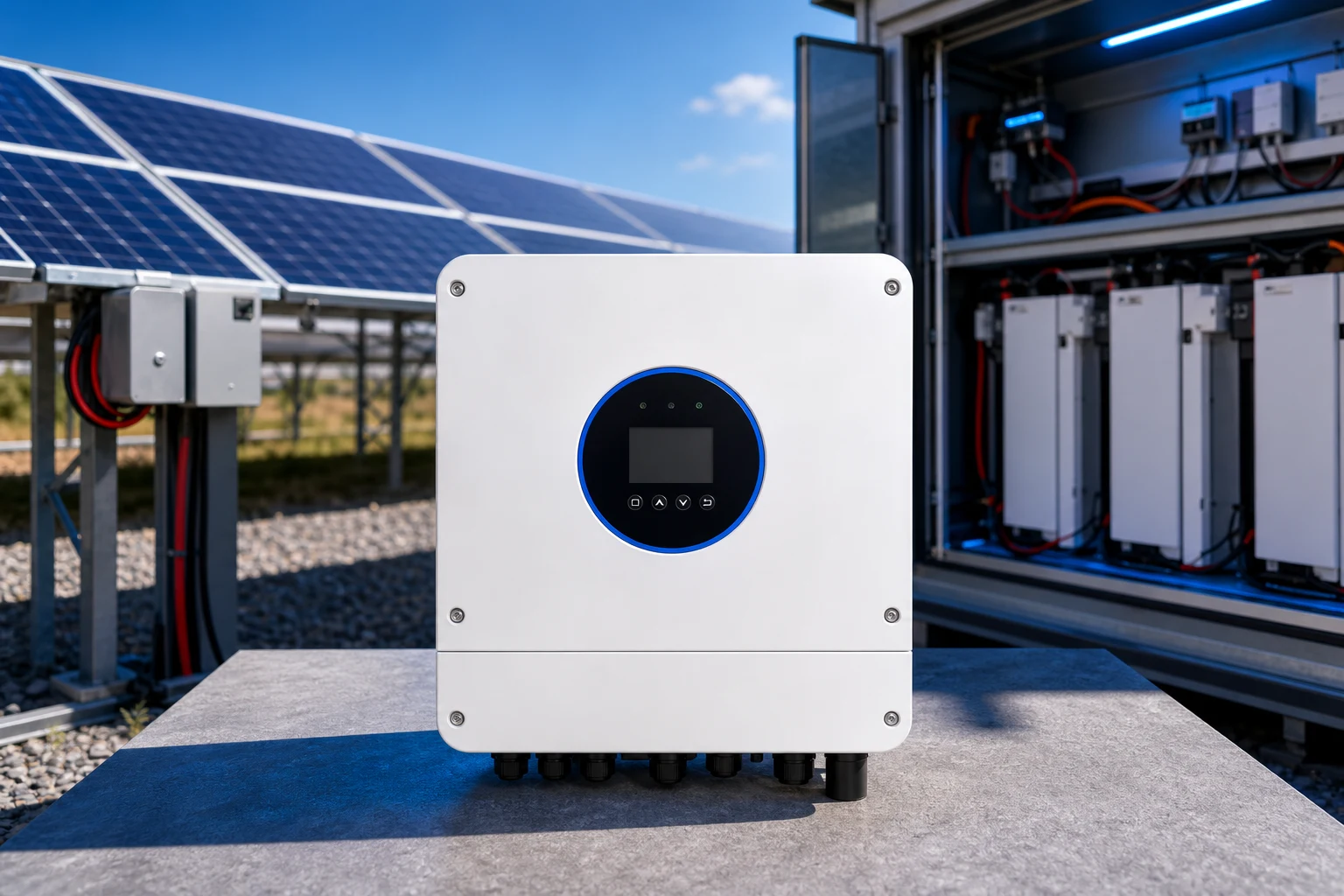
First-party MOES media is a general documentation-context illustration; it does not establish an internal protection feature or system arrangement.
Do not collapse the product boundary into the phrase “built in.” The buyer should state what must be inside the offered product, what may be external, and what documentation is needed to distinguish those possibilities.
Record available project documents and the operating questions that shape the review. These may include the intended source and load context, storage questions, external equipment already identified, market-information needs, and the responsible reviewer.
The record should preserve uncertainty. It is better to mark a protection question as unconfirmed than to assume an internal feature from a category name, image, or prior quotation wording.
For general inverter RFQ discovery, see the solar inverter application guide. For an architecture question that does not prove a combined product, see the solar inverter charger clarification guide.
Send the protection question together with the evidence needed to resolve it.
| RFQ verification input | Buyer should provide or request | Send with quote |
|---|---|---|
| Defined feature question | Requested function and unconfirmed product boundary | Yes |
| Project context | Available drawings, source/load/storage notes, and open items | Yes |
| Current model evidence | Datasheet, manual, labels, diagrams, or written confirmation request | Yes |
| External-equipment question | What is already specified and what remains under review | Yes |
| Review ownership | Person responsible for technical and commercial confirmation | Yes |
Standards terminology may help identify questions, but it cannot approve a specific arrangement or establish a feature on an offered model.
With a defined question and evidence record, the MOES solar inverter category is a bounded route into a category conversation. It is the recommendation in this guide because the request still requires current model evidence before any feature or fit conclusion.
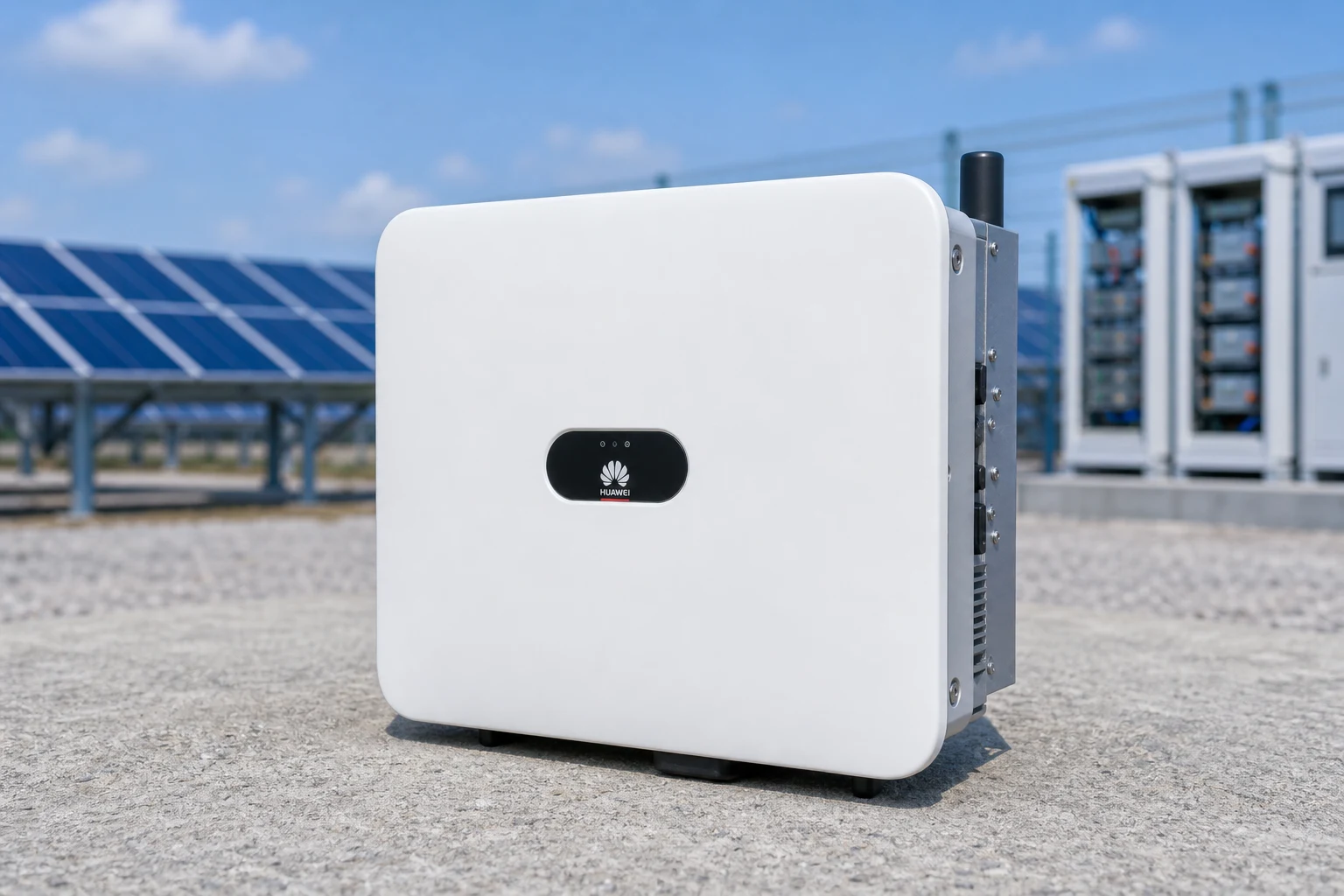
First-party MOES media supports category-level inquiry context. It does not prove a built-in breaker, protection rating, or compatibility claim.
Close the review only after a named owner has addressed each open question. Route the evidence-first brief through MOES Contact Us or the OEM/ODM inquiry page with:
This process supports a clear RFQ without claiming that a MOES solar inverter includes a built-in breaker.
It should clarify the requested function, product boundary, available documents, project context, external-equipment questions, open items, and review ownership.
No. It is a buyer phrase, not proof that a particular inverter has an internal device or a stated protection function.
Ask whether the requested function is expected inside the inverter, in external equipment, or in an unconfirmed part of the proposed system, then request current documentation.
Include available drawings, source/load/storage context, current model-document requests, labels or manuals, external-equipment questions, and the owner of each open point.
No. A category page is a navigation point and cannot replace a model-specific datasheet, written confirmation, or qualified review.
The buyer should name the technical reviewer and commercial owner. The supplier conversation can clarify evidence, but it does not replace project approval.


OTHER SMART DEVICES
Jun 13,2026
OTHER SMART DEVICES
Jun 12,2026
TUYA SMART HOME PRODUCTS
Jun 12,2026
 +86 137 3639 3028